

 Çerez Tercihleri
Tarama deneyiminizi geliştirmek, kişiselleştirilmiş içerik sunmak ve trafiğimizi analiz etmek için çerezler kullanıyoruz. Lütfen aşağıdan tercihlerinizi seçin.
Aftercare & Structured Follow-Up
- Hair Transplantation Is More Than a Graft Number
- Understanding Hair Transplantation
- Aftercare & Structured Follow-Up
Aftercare & Structured Follow-Up
Hair transplantation does not end when the procedure is completed. The donor and recipient areas continue through a healing process, and patients need clear information about what to expect, how to care for the scalp and when to contact the responsible healthcare team.
The early period generally requires the most detailed guidance. Patients should understand how the transplanted area must be protected, how sleeping and daily activities may need to be adjusted and when washing can begin. Medication and wound-care instructions should be followed exactly as provided by the responsible physician and healthcare team.
Washing is an important stage of postoperative care. The timing, products and application method may vary according to the procedure and individual healing. Excessive pressure, scratching or attempting to remove crusts before the appropriate stage may disturb the recipient area. For this reason, patients should receive practical instructions rather than rely on general information found online.
Temporary redness, crusting, sensitivity, swelling or changes in appearance may occur during healing. However, not every finding should automatically be considered normal. Increasing pain, persistent bleeding, discharge, fever, spreading redness or another unexpected change requires timely communication with the responsible healthcare team and may require an in-person medical assessment.
Structured follow-up helps distinguish routine stages of recovery from findings that need closer attention. Follow-up may be more frequent during the early healing period and continue at planned intervals over the following months. The purpose is to maintain communication, answer questions and evaluate the progress of the donor and recipient areas.
Photographs may support remote follow-up when they are taken under suitable lighting and from consistent angles. However, a photograph cannot always replace a physical examination. When visual information is insufficient or a medical concern is suspected, the patient should be directed to an appropriate in-person assessment. Any images and health information shared during follow-up must also be handled with respect for confidentiality and data protection.
Longer-term follow-up should include realistic information about the hair-growth cycle. Temporary shedding and gradual growth stages may occur, and visible development does not happen at the same rate in every individual. General timelines can be useful for orientation, but they should not be presented as a guaranteed schedule or outcome.
At Easesthetic, follow-up is organized as a continuing part of patient care rather than limited to a single postoperative message. Communication is more structured during the early healing period and continues at appropriate intervals according to individual needs. All postoperative medical instructions and decisions remain under the responsibility of the relevant physician and authorized healthcare team.
Diğer Hizmetler

Understanding Scarred Scalp Tissue
Scarred scalp tissue may

Facial Proportions & Hairline Position
Hairline position should
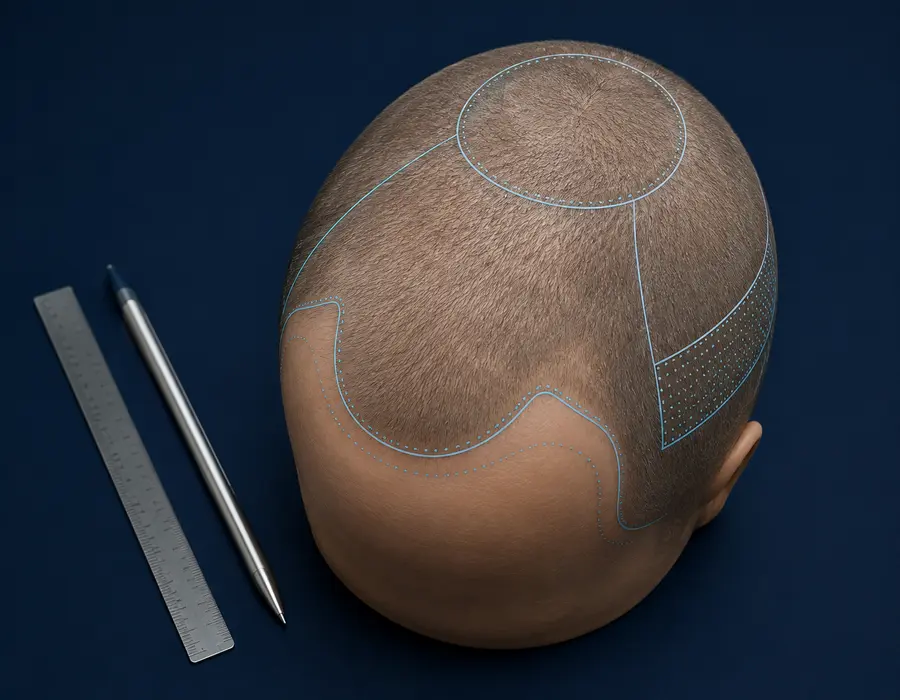
What Matters in Hair Transplantation
Hair transplantation shou

Medical Assessment & Candidacy
Suitability for hair tran

Positioning During Prolonged Procedures
Hair transplantation may

The Role of the Nurse in Telehealth-Based Hair Transplant Follow-Up
Nurse-led telehealth foll

Master’s Thesis Research: Wound Healing and Infection Prevention in Hair Transplantation
This page introduces a pu

Assessing Donor Capacity
Donor capacity cannot be

Balanced Extraction & Homogeneous Distribution
Donor preservation depend
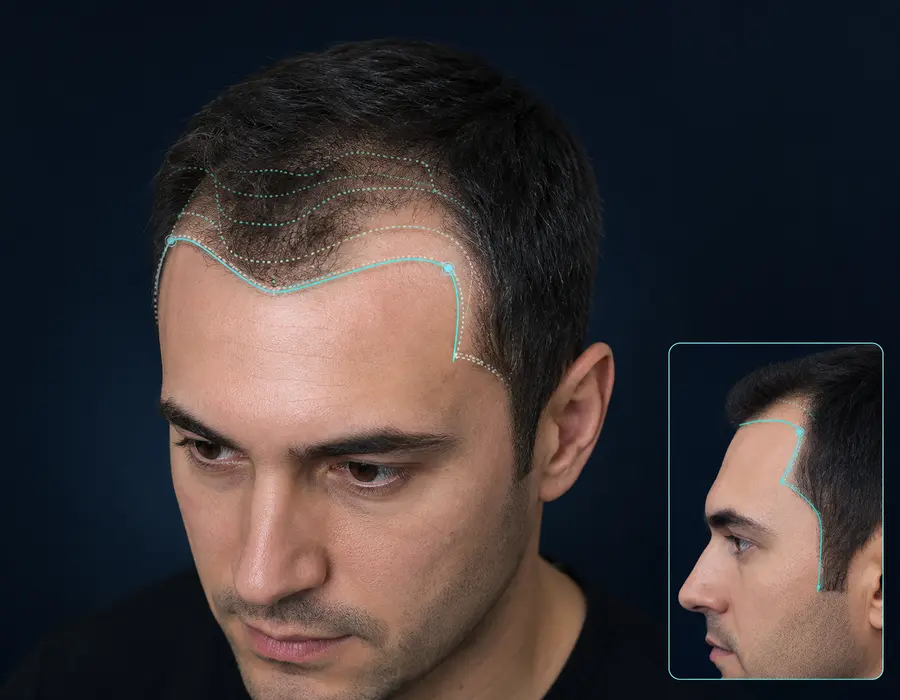
Hairline Shape & Temporal Design
Hairline shape should con

Suitability, Donor Capacity and Staged Planning
Suitability for hair tran

Non-Pharmacological Comfort Support
Comfort during a prolonge

Burn Alopecia: Nursing Care and Psychosocial Support
Burn-related alopecia may
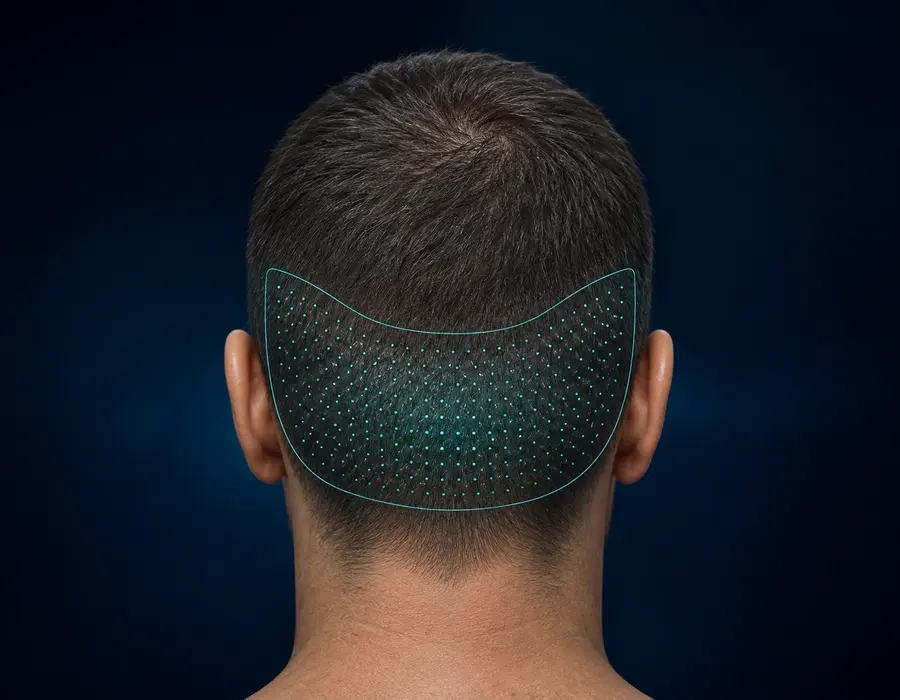
Donor Area Preservation
The donor area is a limit

Understanding FUE and DHI
FUE describes how follicu

Individualized Planning & Natural Hairline Design
Hairline design should be

Graft Numbers, Density & Distribution
A graft count alone does

Natural Irregularity & the Transition Zone
A natural-looking hairlin

Healing, Follow-Up and Realistic Expectations
Healing in scarred scalp
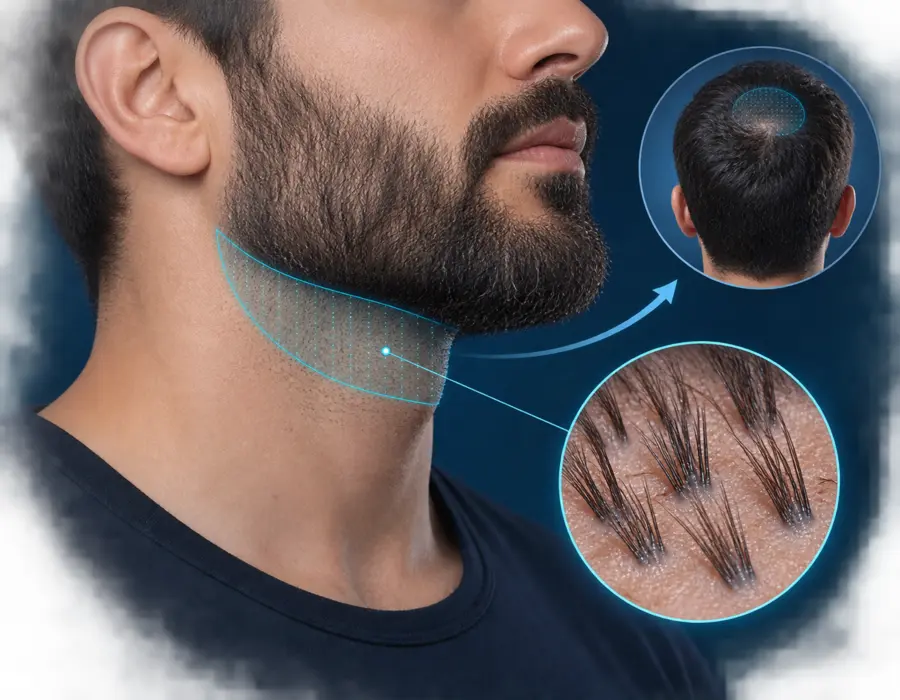
When Beard Donor May Be Considered
Beard hair may be conside

Complications, Patient Safety and Forensic Evaluation
Patient safety in hair tr

Direction, Angle & Density Transitions
Hair does not emerge from
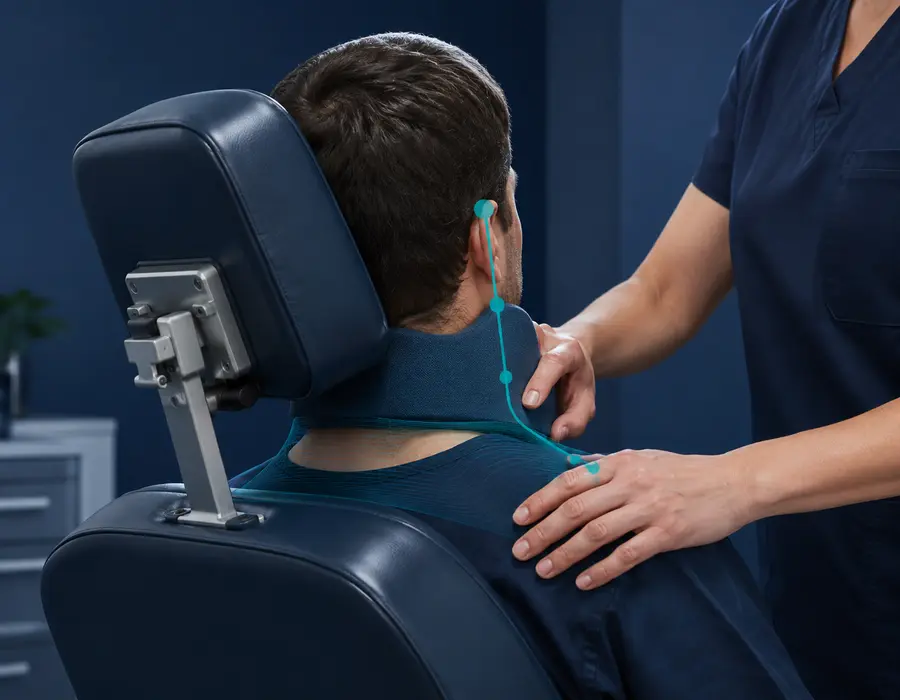
Patient Comfort & Physiotherapy Support
Hair transplantation may

Who Performs Each Stage?
Hair transplantation invo
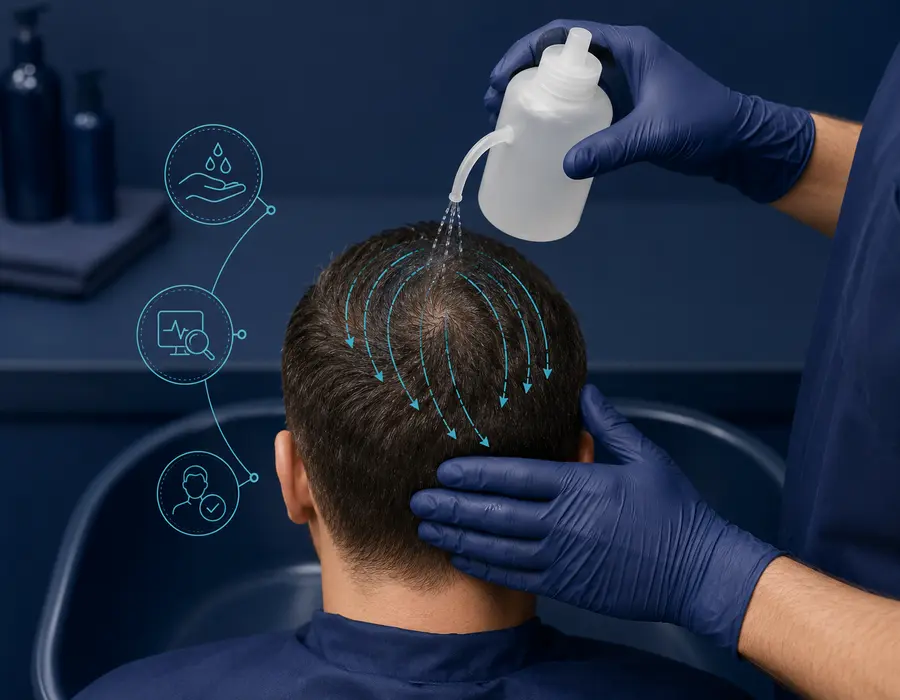
Aftercare & Structured Follow-Up
The period after hair tra

Planning for Women & Different Hair-Loss Patterns
Hair loss in women may pr

Risks, Limitations & Realistic Expectations
Hair transplantation is a
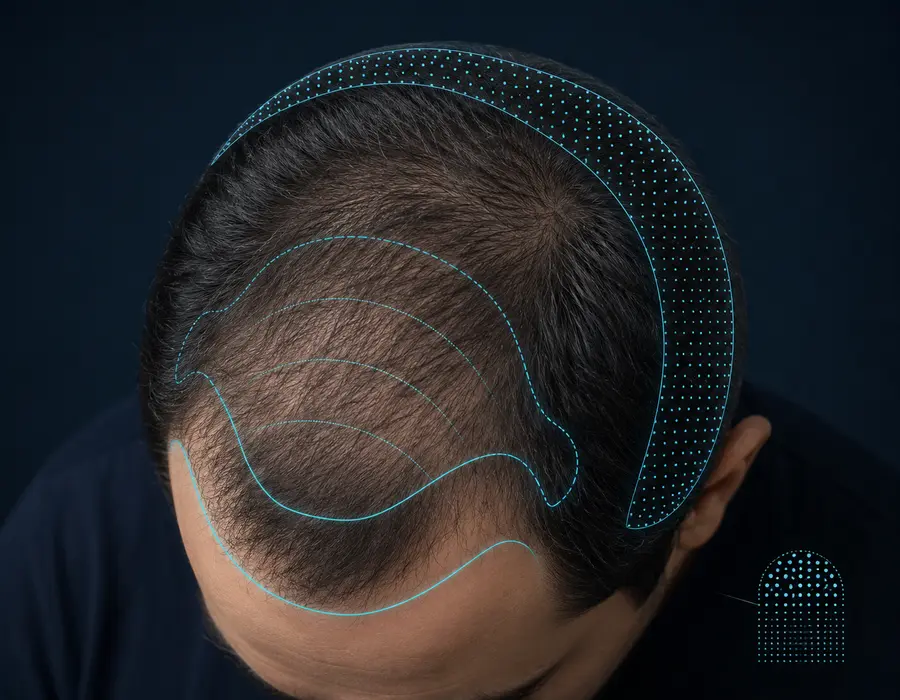
Long-Term Planning & Future Hair Loss
Pattern hair loss may con

Academic Research & Clinical Insights
Easesthetic’s academic fo
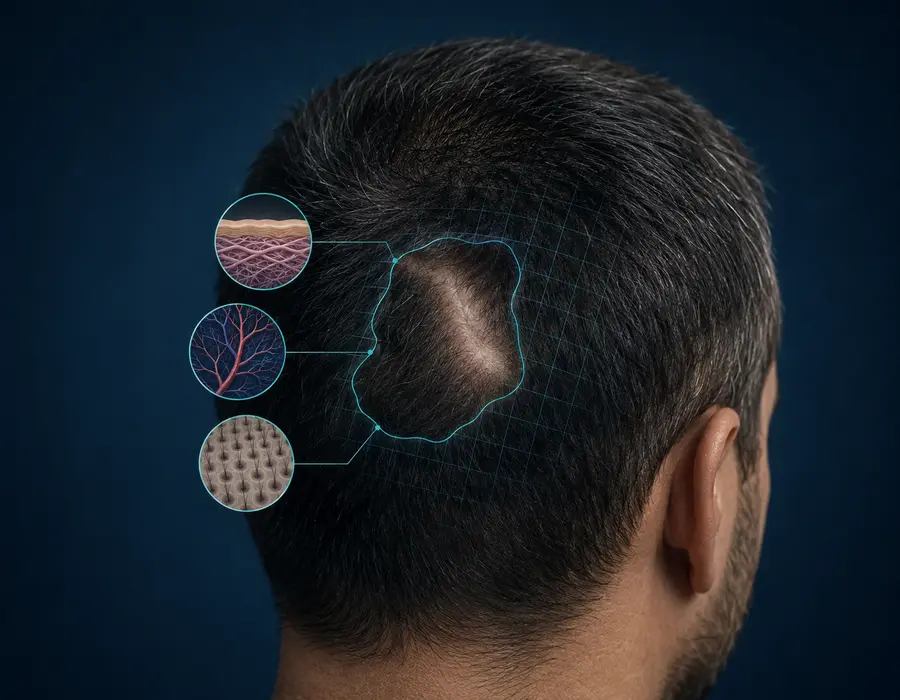
Hair Transplantation in Scarred Tissue
Hair transplantation in s
Frequently Asked Questions