

 Çerez Tercihleri
Tarama deneyiminizi geliştirmek, kişiselleştirilmiş içerik sunmak ve trafiğimizi analiz etmek için çerezler kullanıyoruz. Lütfen aşağıdan tercihlerinizi seçin.
Patient Comfort & Physiotherapy Support
- Hair Transplantation Is More Than a Graft Number
- Understanding Hair Transplantation
- Patient Comfort & Physiotherapy Support
Patient Comfort & Physiotherapy Support
Hair transplantation can involve several hours of sitting, lying face down or remaining in a relatively fixed position. Although the procedural plan is the primary consideration, the individual’s comfort and ability to tolerate these positions should also be taken into account.
People may differ in their ability to maintain a particular position. Previous neck, back or shoulder discomfort, restricted movement, sensitivity to pressure and general anxiety may influence the experience. Identifying these factors before the procedure allows the team to consider positioning and support requirements more carefully.
A physiotherapy-informed approach may include attention to body alignment, pressure distribution, support surfaces and the position of the neck, shoulders and lower back. When compatible with the medical procedure, planned adjustments or movement breaks may also help reduce unnecessary strain caused by remaining in the same position for an extended period.
Non-pharmacological comfort measures may include breathing guidance, relaxation strategies, appropriate positioning and selected physiotherapy techniques. Any such support must remain compatible with the sterile field, procedural requirements and the directions of the responsible medical team. Physiotherapy support does not replace local anaesthesia, medication, medical monitoring or physician-led decisions.
Communication is another important part of patient comfort. The patient should be informed about the expected duration, the positions that may be required and how discomfort can be communicated during the procedure. Comfort needs may change throughout the day and should therefore be reviewed rather than assumed to remain constant.
The purpose of physiotherapy support is not to promise a pain-free experience or alter the medical procedure. Its role is to contribute a musculoskeletal and functional perspective to positioning, relaxation and general comfort. The appropriate level of support depends on the individual and the requirements of the planned procedure.
Simple guidance after the procedure may also be useful when prolonged positioning has caused temporary stiffness or fatigue. This guidance should remain consistent with postoperative medical instructions and should not interfere with the transplanted or donor areas.
At Easesthetic, patient comfort is considered as part of the complete process rather than an additional luxury. Physiotherapy-informed support is integrated where appropriate to help organize positioning, communication and non-pharmacological comfort measures. All medical decisions, anaesthesia protocols and procedural monitoring remain under the responsibility of the relevant medical professionals.
Diğer Hizmetler

Understanding Scarred Scalp Tissue
Scarred scalp tissue may

Facial Proportions & Hairline Position
Hairline position should
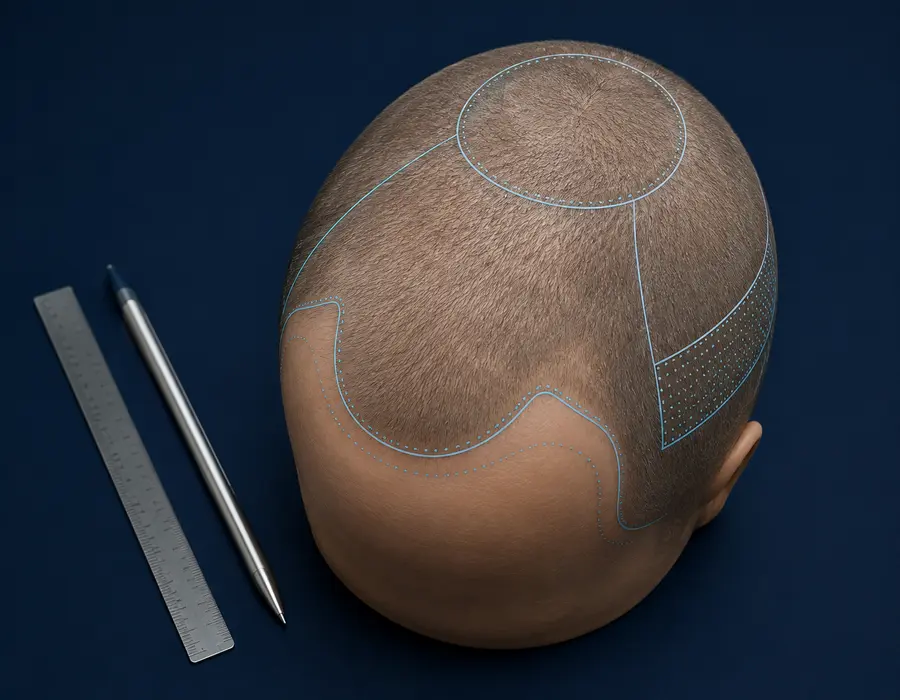
What Matters in Hair Transplantation
Hair transplantation shou

Medical Assessment & Candidacy
Suitability for hair tran

Positioning During Prolonged Procedures
Hair transplantation may

The Role of the Nurse in Telehealth-Based Hair Transplant Follow-Up
Nurse-led telehealth foll

Master’s Thesis Research: Wound Healing and Infection Prevention in Hair Transplantation
This page introduces a pu

Assessing Donor Capacity
Donor capacity cannot be

Balanced Extraction & Homogeneous Distribution
Donor preservation depend
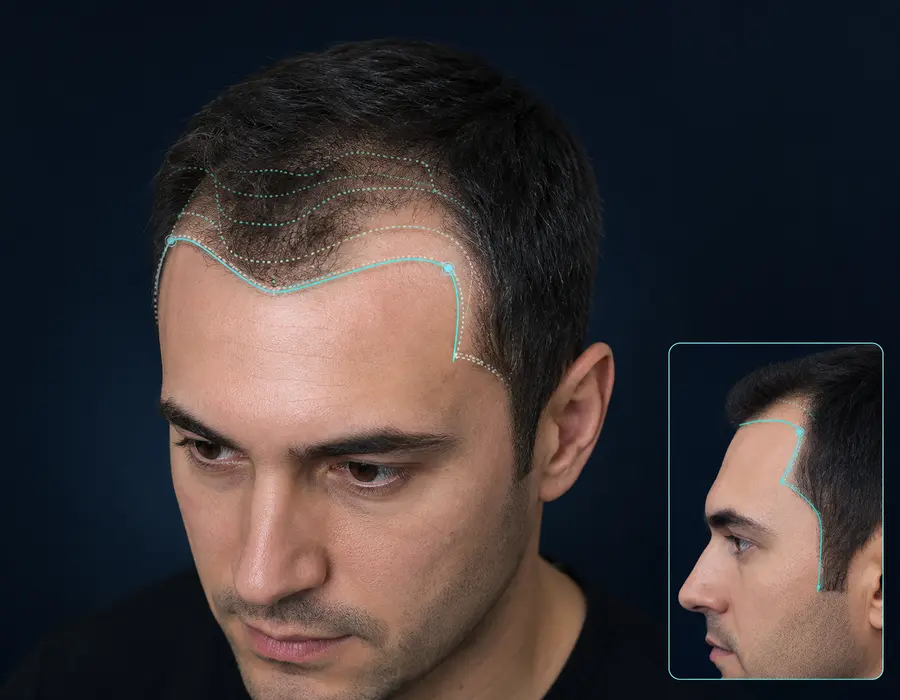
Hairline Shape & Temporal Design
Hairline shape should con

Suitability, Donor Capacity and Staged Planning
Suitability for hair tran

Non-Pharmacological Comfort Support
Comfort during a prolonge

Burn Alopecia: Nursing Care and Psychosocial Support
Burn-related alopecia may
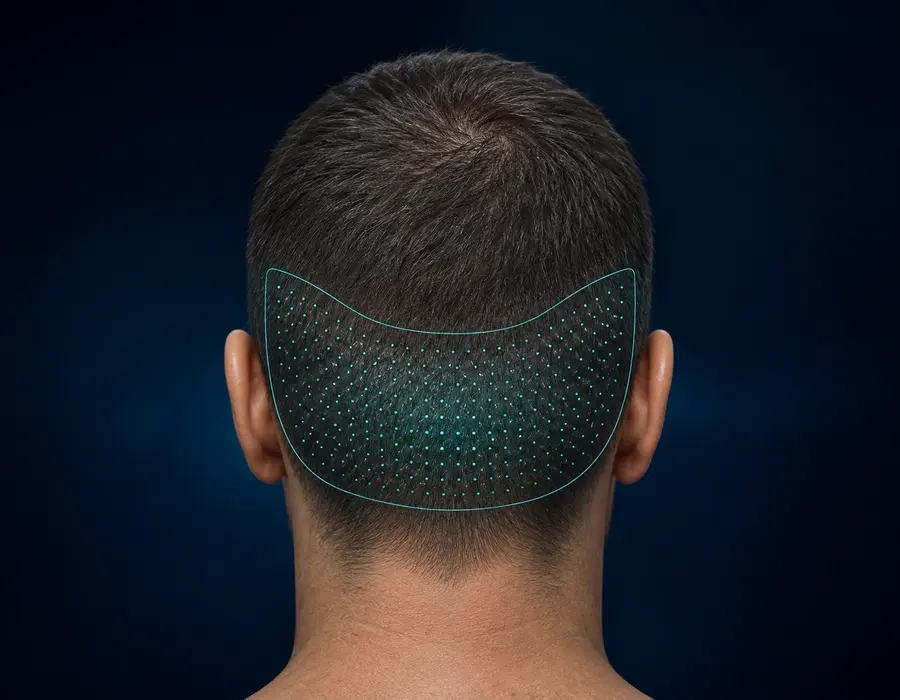
Donor Area Preservation
The donor area is a limit

Understanding FUE and DHI
FUE describes how follicu

Individualized Planning & Natural Hairline Design
Hairline design should be

Graft Numbers, Density & Distribution
A graft count alone does

Natural Irregularity & the Transition Zone
A natural-looking hairlin

Healing, Follow-Up and Realistic Expectations
Healing in scarred scalp
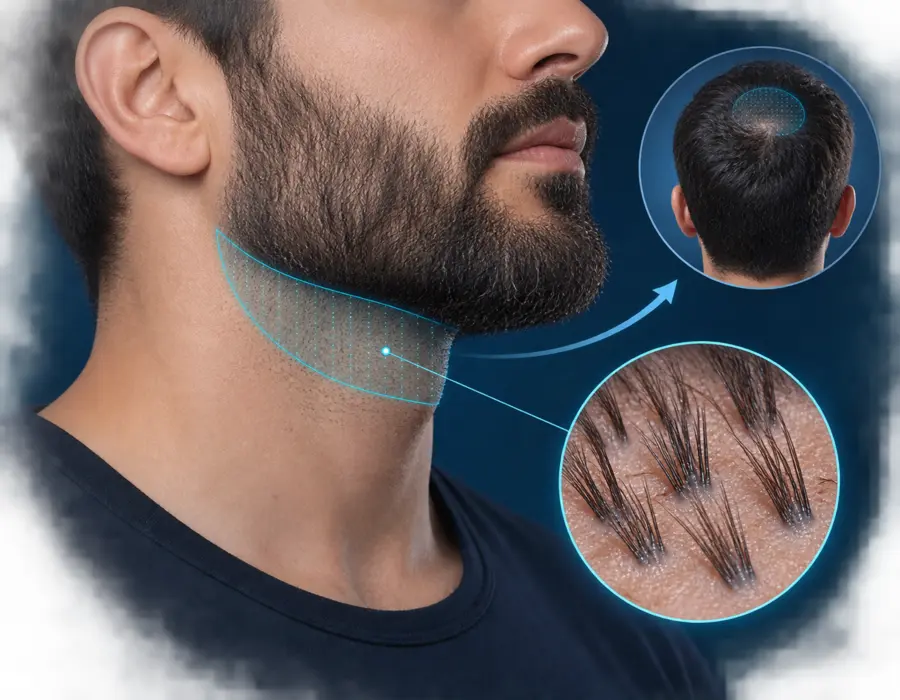
When Beard Donor May Be Considered
Beard hair may be conside

Complications, Patient Safety and Forensic Evaluation
Patient safety in hair tr

Direction, Angle & Density Transitions
Hair does not emerge from
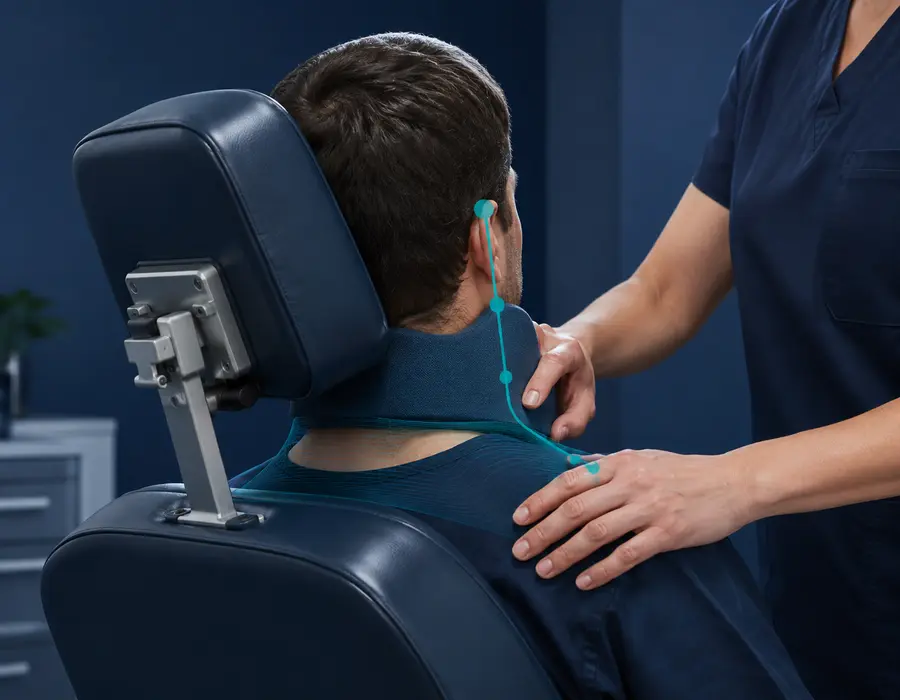
Patient Comfort & Physiotherapy Support
Hair transplantation may

Who Performs Each Stage?
Hair transplantation invo
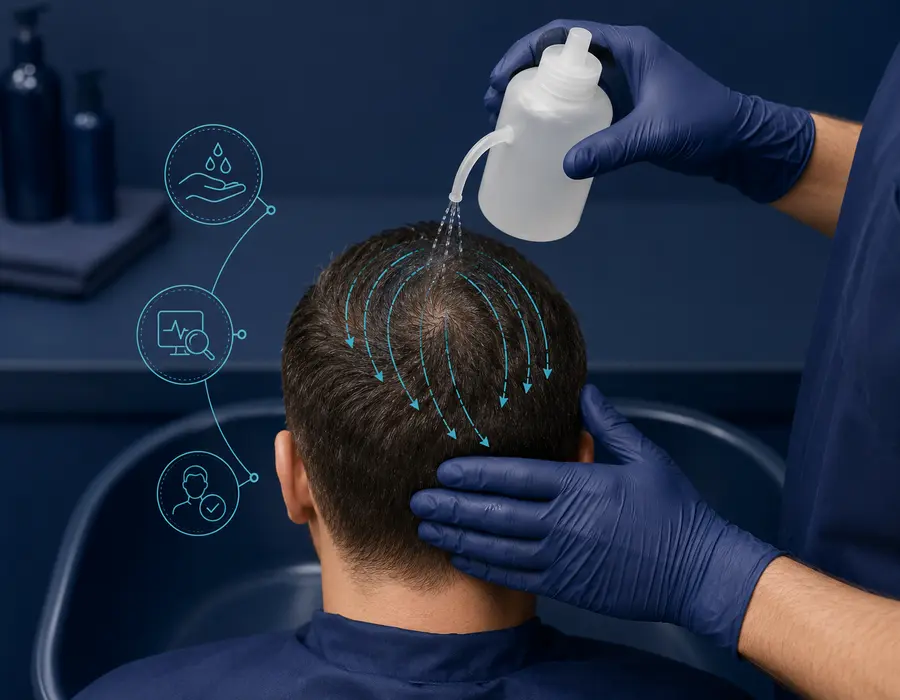
Aftercare & Structured Follow-Up
The period after hair tra

Planning for Women & Different Hair-Loss Patterns
Hair loss in women may pr

Risks, Limitations & Realistic Expectations
Hair transplantation is a
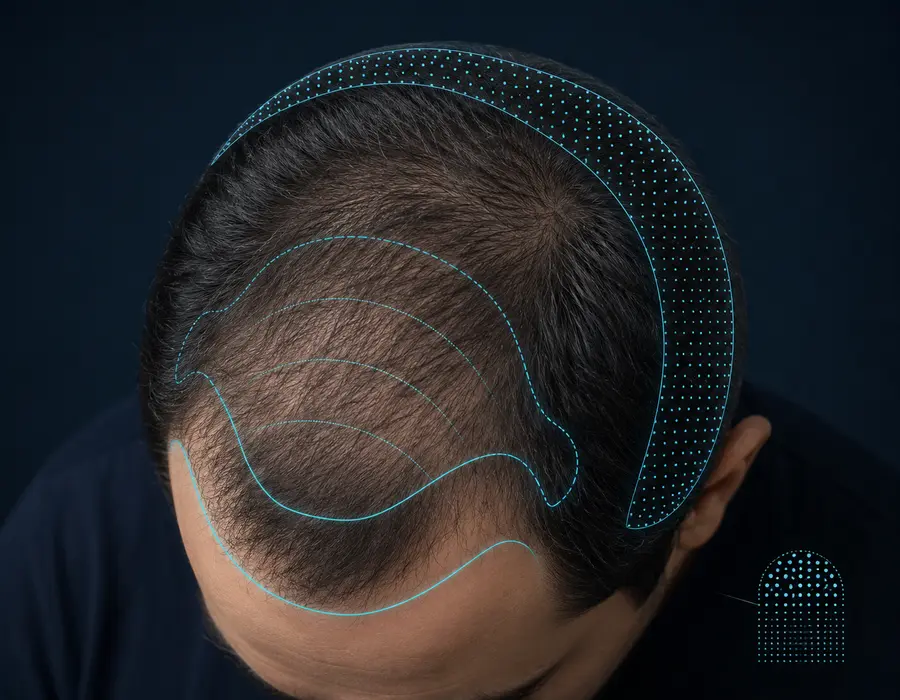
Long-Term Planning & Future Hair Loss
Pattern hair loss may con

Academic Research & Clinical Insights
Easesthetic’s academic fo
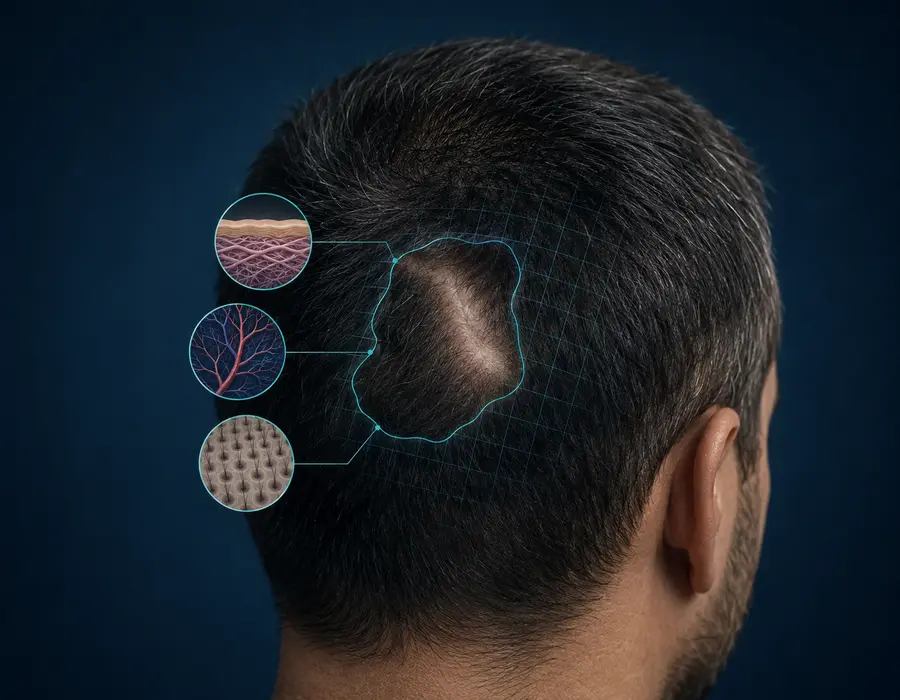
Hair Transplantation in Scarred Tissue
Hair transplantation in s
Frequently Asked Questions