

 Çerez Tercihleri
Tarama deneyiminizi geliştirmek, kişiselleştirilmiş içerik sunmak ve trafiğimizi analiz etmek için çerezler kullanıyoruz. Lütfen aşağıdan tercihlerinizi seçin.
Donor Area Preservation
- Hair Transplantation Is More Than a Graft Number
- Understanding Hair Transplantation
- Donor Area Preservation
Donor Area Preservation
The donor area provides the follicles used during hair transplantation. Unlike other resources, these follicles cannot be replaced once they have been extracted. For this reason, donor planning should not begin with the question of how many grafts can be taken, but with how many can be used responsibly while maintaining a balanced donor appearance.
An appropriate assessment considers donor density, hair thickness, follicular-unit distribution, scalp characteristics, existing scars and signs of miniaturization. The current pattern of hair loss and the possibility of further progression should also be considered. A graft number that may be suitable for one person may be excessive or insufficient for another.
Extraction should be distributed carefully rather than concentrated within a limited area. Removing too many follicular units or extracting them unevenly may result in visible thinning, irregular density or a patchy appearance. These changes can become more noticeable when the hair is worn short. Donor preservation therefore depends on both the total number of grafts and the way those grafts are selected and distributed.
Planning must also consider the relationship between donor capacity and the recipient area. When the area of hair loss is extensive, attempting to create equal density everywhere may not be realistic or appropriate. In such cases, grafts should be allocated according to individual priorities, existing hair and the areas where transplantation may provide the most meaningful visual balance.
Future needs are another important consideration. Hair loss may continue after transplantation, while donor capacity remains limited. Preserving appropriate options for possible future procedures can therefore be as important as addressing the current area of concern. This is why the highest possible graft number should not automatically be considered the best plan.
Before proceeding, patients should ask how their donor capacity was assessed, how extraction will be distributed and whether future hair-loss progression has been included in the plan. They should also understand that donor quality cannot be determined accurately from a graft estimate alone.
At Easesthetic, donor preservation is treated as a central part of the planning process rather than a secondary concern. The objective is to use the available donor capacity thoughtfully while considering the recipient area, the appearance of the donor region and the individual’s longer-term needs. Final medical suitability and extraction planning require an individual physician assessment.
Diğer Hizmetler

Understanding Scarred Scalp Tissue
Scarred scalp tissue may

Facial Proportions & Hairline Position
Hairline position should
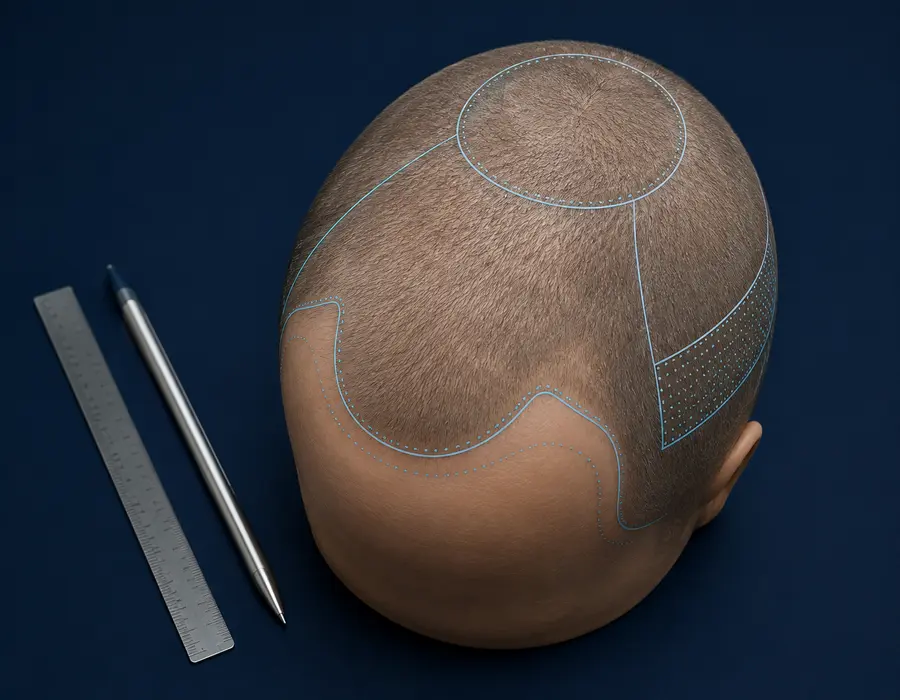
What Matters in Hair Transplantation
Hair transplantation shou

Medical Assessment & Candidacy
Suitability for hair tran

Positioning During Prolonged Procedures
Hair transplantation may

The Role of the Nurse in Telehealth-Based Hair Transplant Follow-Up
Nurse-led telehealth foll

Master’s Thesis Research: Wound Healing and Infection Prevention in Hair Transplantation
This page introduces a pu

Assessing Donor Capacity
Donor capacity cannot be

Balanced Extraction & Homogeneous Distribution
Donor preservation depend
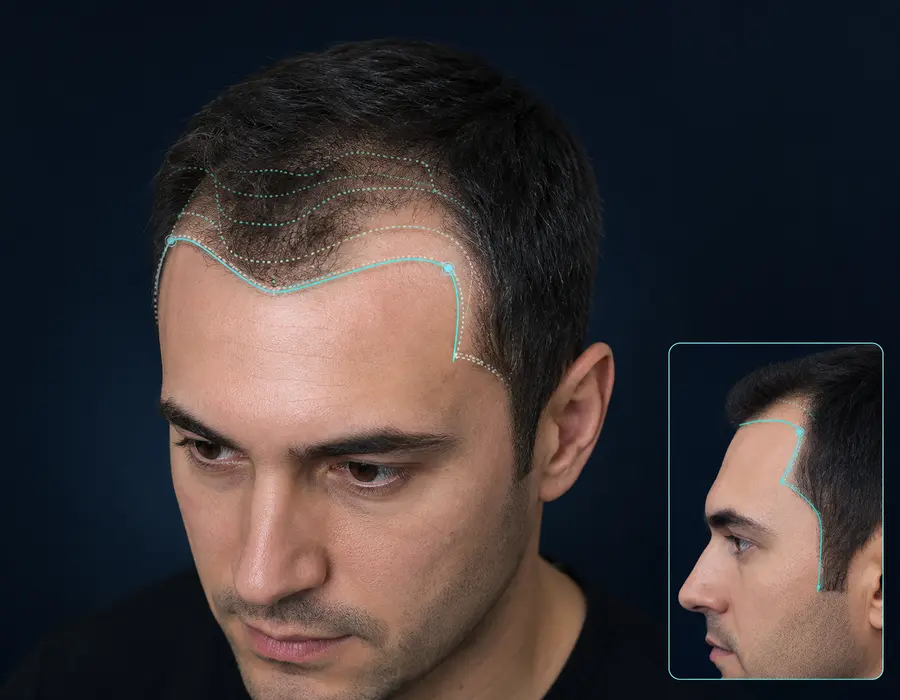
Hairline Shape & Temporal Design
Hairline shape should con

Suitability, Donor Capacity and Staged Planning
Suitability for hair tran

Non-Pharmacological Comfort Support
Comfort during a prolonge

Burn Alopecia: Nursing Care and Psychosocial Support
Burn-related alopecia may
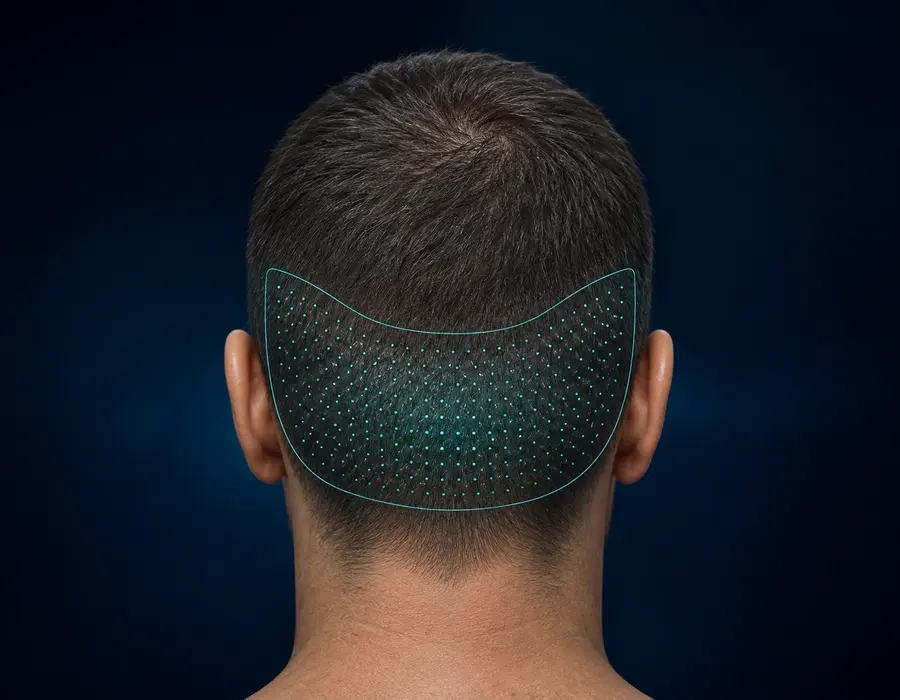
Donor Area Preservation
The donor area is a limit

Understanding FUE and DHI
FUE describes how follicu

Individualized Planning & Natural Hairline Design
Hairline design should be

Graft Numbers, Density & Distribution
A graft count alone does

Natural Irregularity & the Transition Zone
A natural-looking hairlin

Healing, Follow-Up and Realistic Expectations
Healing in scarred scalp
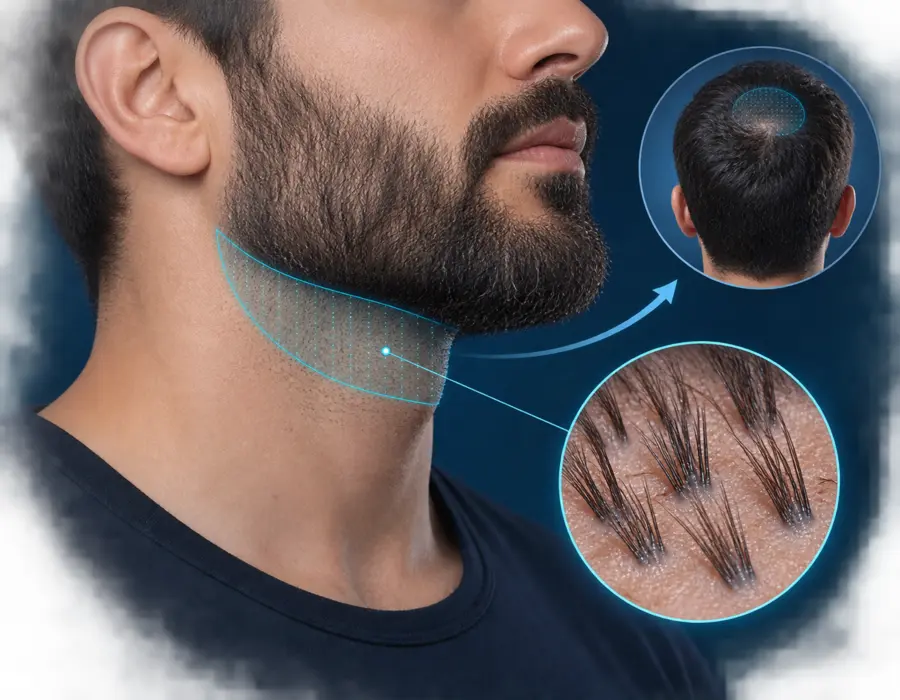
When Beard Donor May Be Considered
Beard hair may be conside

Complications, Patient Safety and Forensic Evaluation
Patient safety in hair tr

Direction, Angle & Density Transitions
Hair does not emerge from
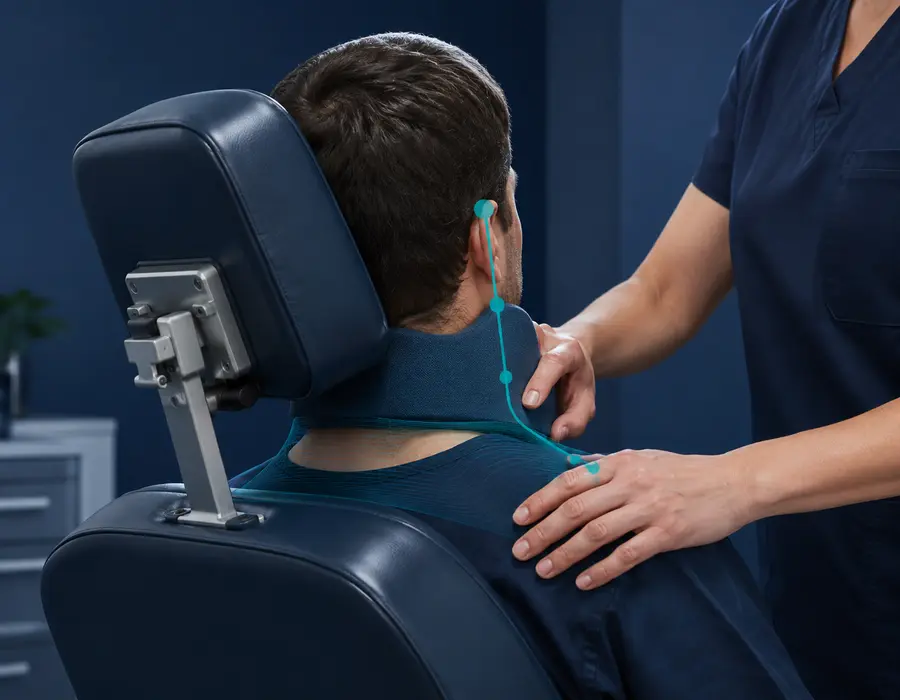
Patient Comfort & Physiotherapy Support
Hair transplantation may

Who Performs Each Stage?
Hair transplantation invo
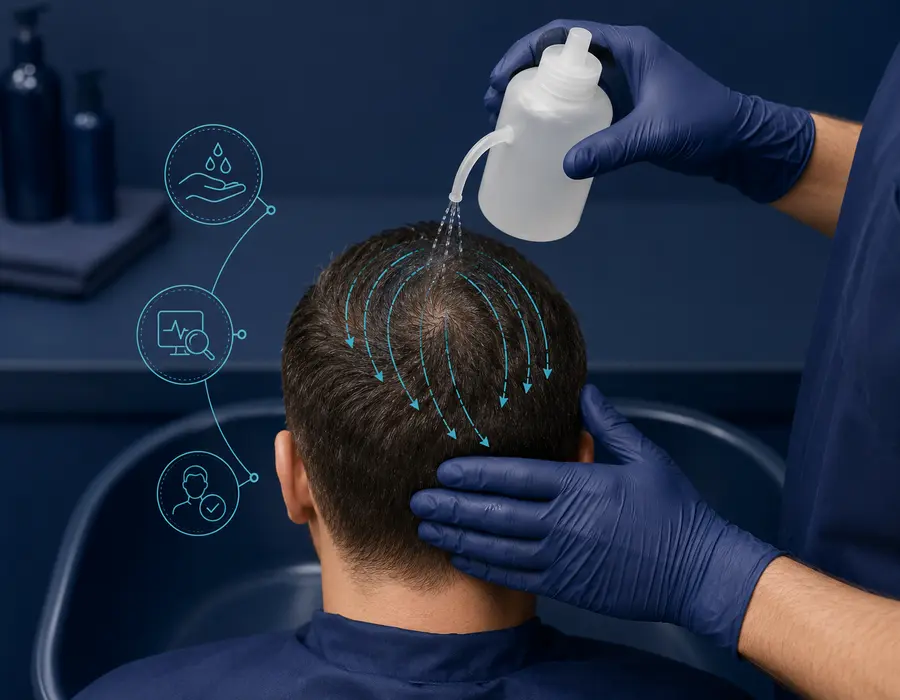
Aftercare & Structured Follow-Up
The period after hair tra

Planning for Women & Different Hair-Loss Patterns
Hair loss in women may pr

Risks, Limitations & Realistic Expectations
Hair transplantation is a
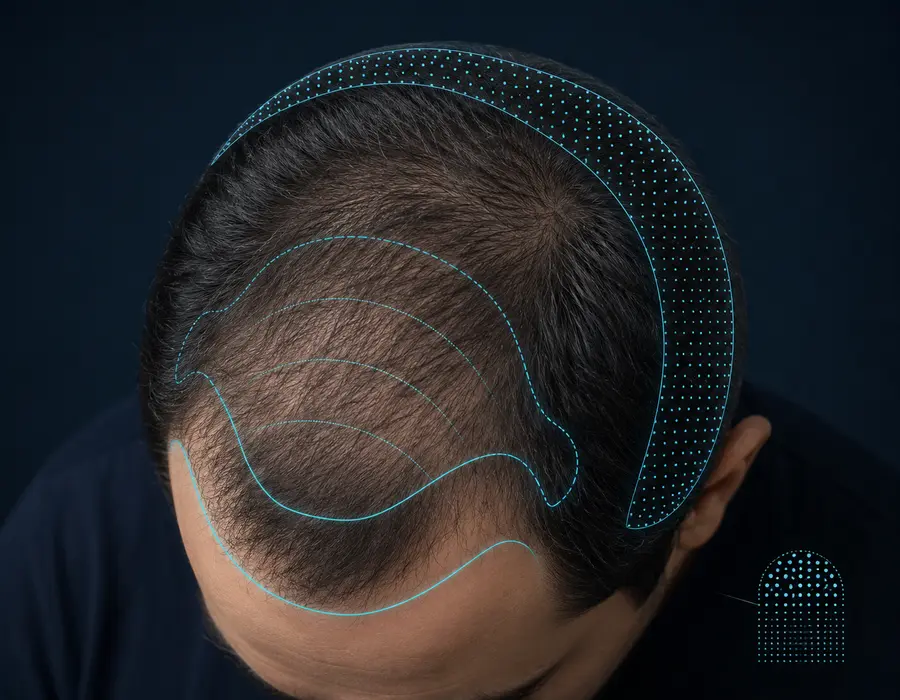
Long-Term Planning & Future Hair Loss
Pattern hair loss may con

Academic Research & Clinical Insights
Easesthetic’s academic fo
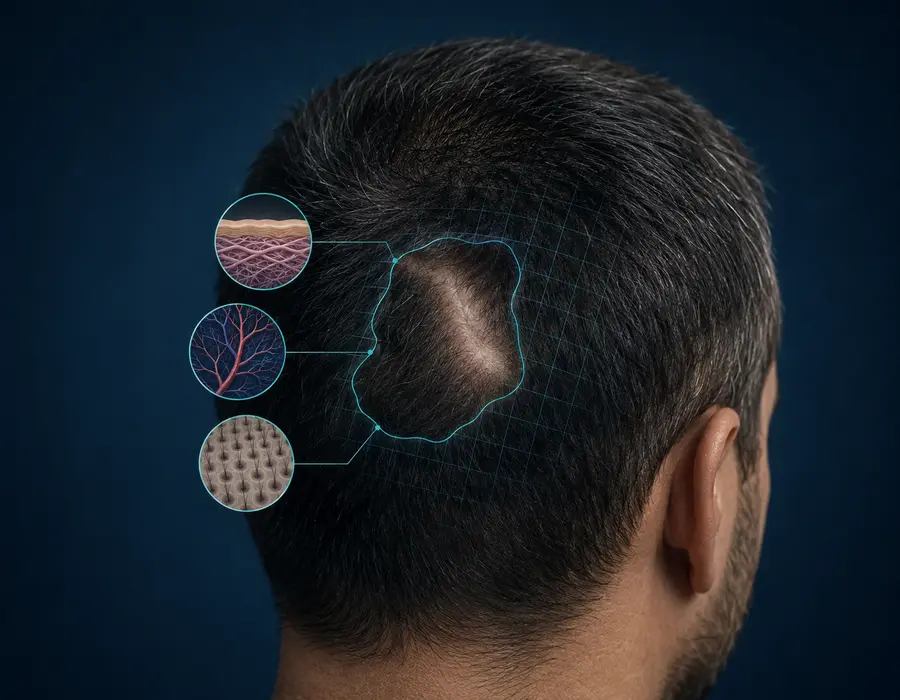
Hair Transplantation in Scarred Tissue
Hair transplantation in s
Frequently Asked Questions