

 Çerez Tercihleri
Tarama deneyiminizi geliştirmek, kişiselleştirilmiş içerik sunmak ve trafiğimizi analiz etmek için çerezler kullanıyoruz. Lütfen aşağıdan tercihlerinizi seçin.
Understanding Scarred Scalp Tissue
- Hair Transplantation Is More Than a Graft Number
- Understanding Hair Transplantation
- Understanding Scarred Scalp Tissue
Understanding Scarred Scalp Tissue
What Is Scarred Scalp Tissue?
Scarring may develop after burns, trauma, surgery, infection or an inflammatory condition affecting the hair follicles. When follicles are permanently damaged, the affected area may develop scar-associated hair loss, also known as cicatricial alopecia.
Scarred tissue is not simply normal scalp without hair. Its internal structure, thickness, flexibility and blood supply may differ from those of unaffected skin. These differences can influence healing and the ability of transplanted follicles to establish themselves within the recipient area.
Why the Cause of the Scar Matters
Not all areas of scarring have the same biological characteristics.
Secondary scarring may occur following an external event such as a burn, injury or surgical procedure. Primary scarring alopecias are associated with diseases in which inflammation damages the hair follicle.
This distinction is important because an active inflammatory condition may continue to affect existing or transplanted follicles. Appropriate diagnosis and evidence of disease stability may therefore be necessary before hair-restoration options can be discussed.
Scar Maturity
A scar changes over time. During maturation, its color, thickness, firmness and flexibility may gradually change. A tissue area that is still evolving should not automatically be approached in the same way as a mature and stable scar.
Clinical assessment may consider whether the scar appears:
Stable rather than actively changing.
Pale rather than persistently inflamed.
Flat or raised.
Soft and flexible or firm and adherent.
Sensitive, painful or associated with other symptoms.
Uniform or variable across different parts of the affected area.
These observations provide useful information, but none of them independently establishes suitability for hair transplantation.
Tissue Quality and Blood Supply
Transplanted follicles require an adequate biological environment during healing. Scar tissue may have uneven vascularity, and its internal architecture may be less predictable than that of unaffected scalp.
The centre and edges of a scar may not have identical characteristics. Thickness, stiffness and circulation may also vary within the same area. For this reason, decisions about recipient-site planning and density should not be based solely on the visible size of the scar.
No universal graft density can be recommended for every scarred area. A plan that may be reasonable in one tissue environment may be inappropriate in another.
What May Be Evaluated?
An individualized assessment may include:
The original cause of the scar.
The time elapsed since the injury or procedure.
Whether the area has remained stable.
Scar color, thickness, texture and flexibility.
Signs suggesting an active inflammatory condition.
Local circulation and tissue quality.
The size and location of the affected area.
Previous treatment or surgery involving the scalp.
Available donor capacity.
Medical history and individual healing characteristics.
Expectations regarding coverage and density.
The ability to participate in structured follow-up.
Additional examination, specialist consultation or diagnostic investigation may be required in selected circumstances.
Photographs Are Not Sufficient
Photographs may help document the visible appearance of an area, but they cannot fully demonstrate tissue depth, circulation, flexibility, disease activity or individual healing capacity.
For this reason, an online photograph review should be regarded as preliminary information rather than a final determination of medical suitability.
A Different Planning Context
Hair transplantation in scarred tissue may be less predictable than transplantation in unaffected scalp. Published evidence is largely based on small studies, case series and heterogeneous types of scarring. Outcomes reported for one type of scar should not automatically be applied to another.
Some individuals may require a conservative or staged approach. Others may not be suitable candidates. These possibilities should be discussed without promising a particular density, graft survival rate or cosmetic result.
Educational References
Hair Transplantation in Burn Scar Alopecia. Scars, Burns & Healing.
Role of Hair Transplantation in Scarring Alopecia: To Do or Not to Do. Journal of Cutaneous and Aesthetic Surgery.
A Systematic Review of the Outcome of Hair Transplantation in Primary Scarring Alopecia. Skin Appendage Disorders.
Educational Notice
This page is intended for general educational information. It does not determine whether a particular scar is suitable for hair transplantation and does not provide an individualized diagnosis, treatment plan or outcome prediction.
Suitability can only be considered following an appropriate examination by authorized healthcare professionals. References are provided for educational transparency and do not imply affiliation with or endorsement by the authors, journals or institutions concerned.
Diğer Hizmetler

Understanding Scarred Scalp Tissue
Scarred scalp tissue may

Facial Proportions & Hairline Position
Hairline position should
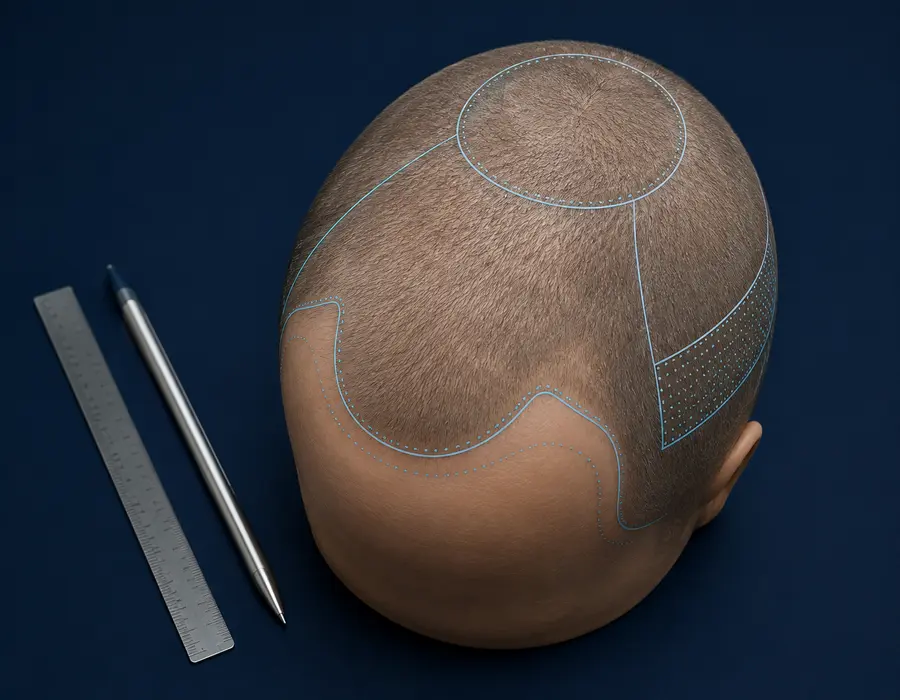
What Matters in Hair Transplantation
Hair transplantation shou

Medical Assessment & Candidacy
Suitability for hair tran

Positioning During Prolonged Procedures
Hair transplantation may

The Role of the Nurse in Telehealth-Based Hair Transplant Follow-Up
Nurse-led telehealth foll

Master’s Thesis Research: Wound Healing and Infection Prevention in Hair Transplantation
This page introduces a pu

Assessing Donor Capacity
Donor capacity cannot be

Balanced Extraction & Homogeneous Distribution
Donor preservation depend
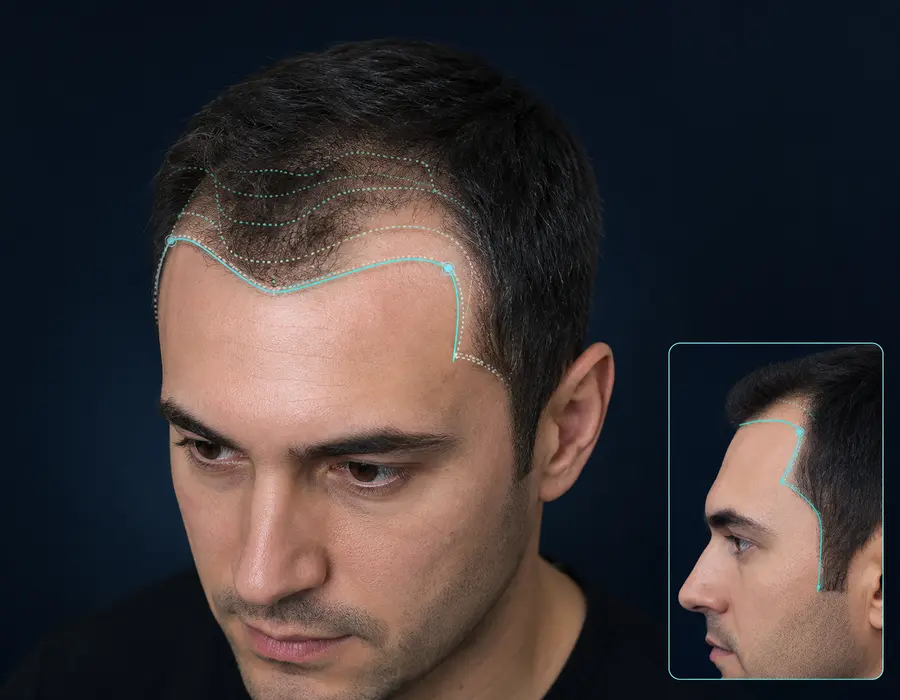
Hairline Shape & Temporal Design
Hairline shape should con

Suitability, Donor Capacity and Staged Planning
Suitability for hair tran

Non-Pharmacological Comfort Support
Comfort during a prolonge

Burn Alopecia: Nursing Care and Psychosocial Support
Burn-related alopecia may
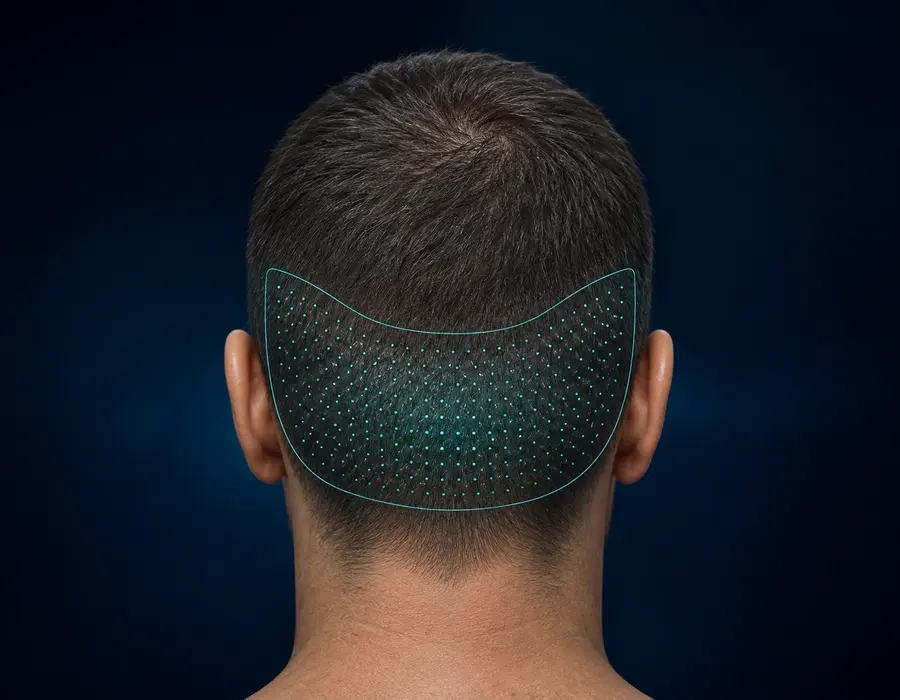
Donor Area Preservation
The donor area is a limit

Understanding FUE and DHI
FUE describes how follicu

Individualized Planning & Natural Hairline Design
Hairline design should be

Graft Numbers, Density & Distribution
A graft count alone does

Natural Irregularity & the Transition Zone
A natural-looking hairlin

Healing, Follow-Up and Realistic Expectations
Healing in scarred scalp
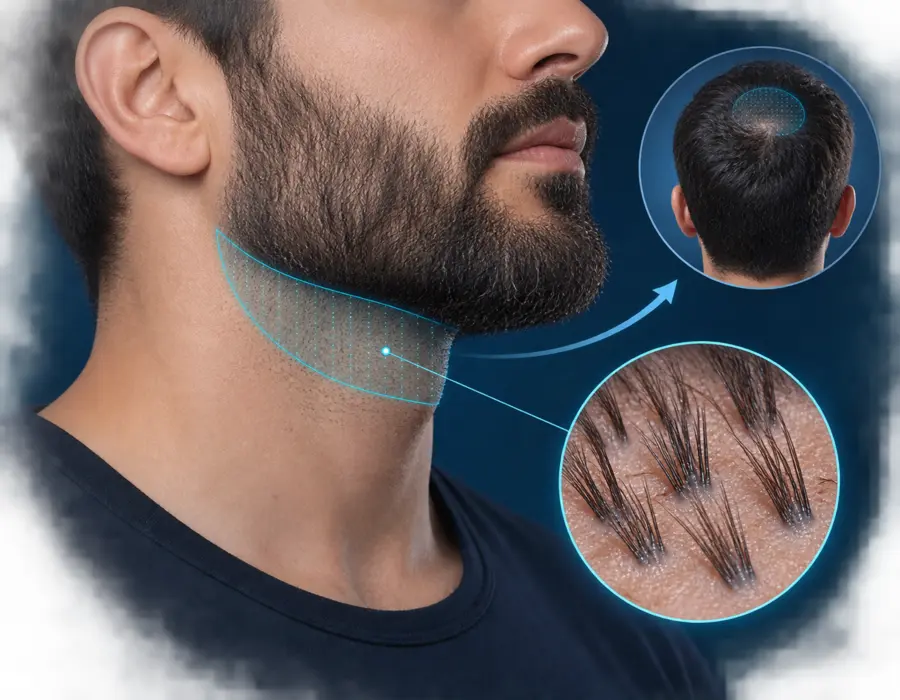
When Beard Donor May Be Considered
Beard hair may be conside

Complications, Patient Safety and Forensic Evaluation
Patient safety in hair tr

Direction, Angle & Density Transitions
Hair does not emerge from
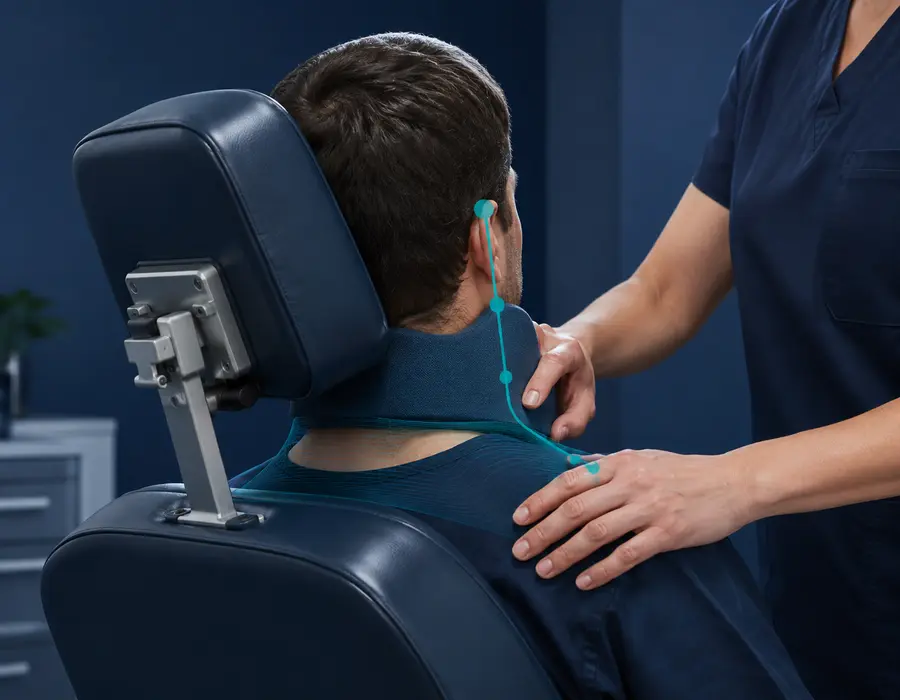
Patient Comfort & Physiotherapy Support
Hair transplantation may

Who Performs Each Stage?
Hair transplantation invo
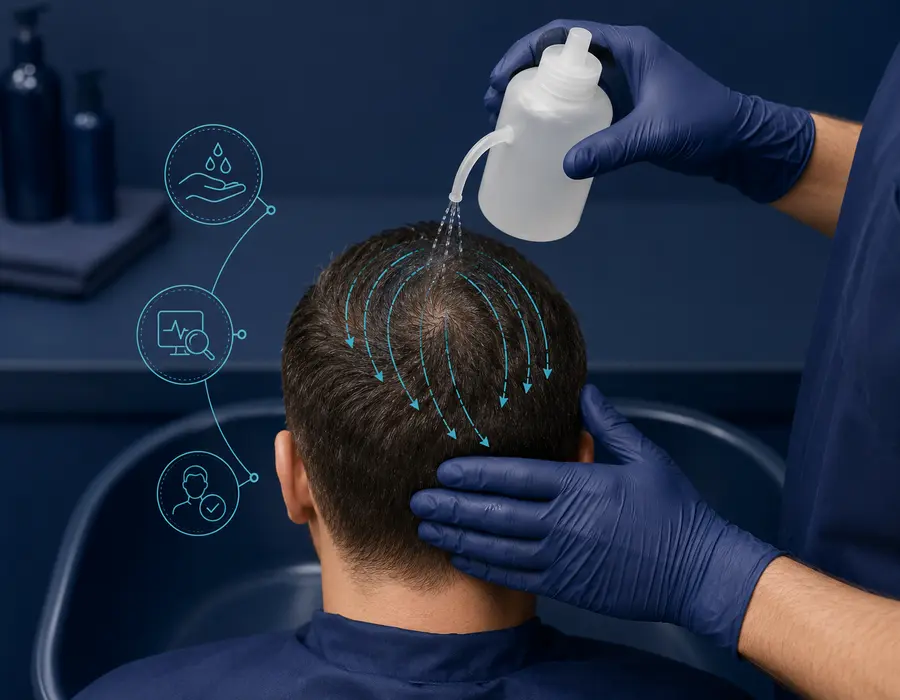
Aftercare & Structured Follow-Up
The period after hair tra

Planning for Women & Different Hair-Loss Patterns
Hair loss in women may pr

Risks, Limitations & Realistic Expectations
Hair transplantation is a
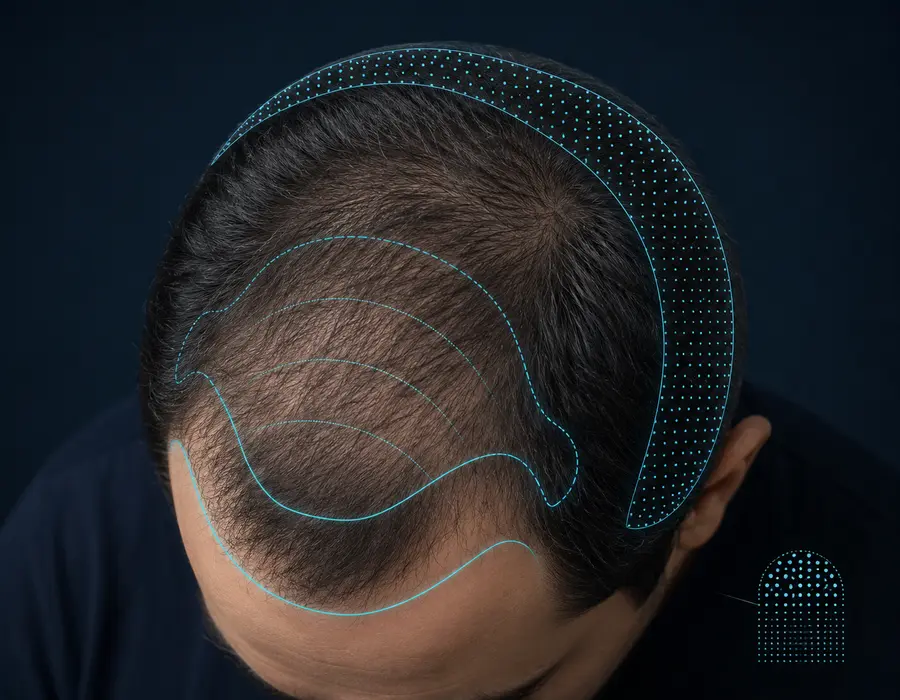
Long-Term Planning & Future Hair Loss
Pattern hair loss may con

Academic Research & Clinical Insights
Easesthetic’s academic fo
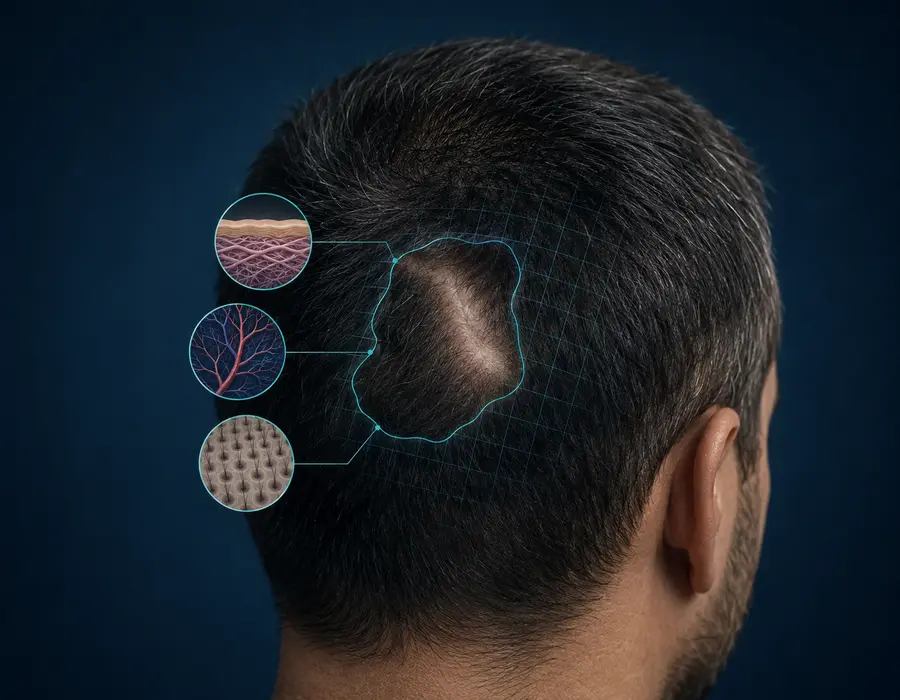
Hair Transplantation in Scarred Tissue
Hair transplantation in s
Frequently Asked Questions