

 Çerez Tercihleri
Tarama deneyiminizi geliştirmek, kişiselleştirilmiş içerik sunmak ve trafiğimizi analiz etmek için çerezler kullanıyoruz. Lütfen aşağıdan tercihlerinizi seçin.
Natural Irregularity & the Transition Zone
- Hair Transplantation Is More Than a Graft Number
- Understanding Hair Transplantation
- Natural Irregularity & the Transition Zone
Natural Irregularity & the Transition Zone
A Hairline Is a Transition, Not a Solid Boundary
A natural hairline is not usually perceived as a single continuous line. Fine and isolated hairs may appear at the leading edge, while the visual concentration of hair gradually increases behind it.
This frontal transition helps connect the forehead with the denser scalp. When the boundary is excessively straight, uniformly dense or composed of repetitive shapes, it may appear artificial even if its overall position is appropriate.
Natural appearance therefore depends on more than the outline drawn on the skin. Follicular-unit selection, distribution, calibre, direction and angle should all be considered together.
What Is the Transition Zone?
The transition zone is the narrow frontal region between the forehead and the more established hair-bearing scalp.
It should not be interpreted as a universally fixed distance. Its width and distribution may vary according to:
Existing frontal hair
Hair-shaft calibre
Hair curl or wave
Hair and skin colour contrast
Follicular-unit composition
Proposed hairline shape
Available donor characteristics
Recipient-area dimensions
Intended styling direction
The transition may also vary between the central frontal area, frontal corners and temporal regions.
Natural Irregularity Is Not Randomness
Natural hairlines commonly contain small variations in contour and hair distribution. These variations are neither perfectly regular nor completely random.
Creating identical peaks at repeated intervals can produce a visible sawtooth pattern. Excessive irregularity may also appear disorganized or make the planned boundary difficult to understand.
Controlled micro-irregularity may involve:
Slight variation in the position of individual leading hairs
Small, non-repetitive changes in the frontal contour
Soft differences between the two sides
Integration with existing stable hairs
Gradual rather than abrupt density changes
The objective is to avoid mechanical repetition while maintaining a coherent overall shape.
Single-Hair Follicular Units at the Leading Edge
Follicular units naturally contain different numbers of hairs. Appropriately selected single-hair units are commonly considered for the first rows or most visible parts of the frontal boundary.
Placing coarse multiple-hair units directly at the leading edge can create an abrupt or grouped appearance. ISHRS patient information notes that failure to use single-hair grafts in the first rows may contribute to a plug-like appearance.
However, the number of hairs within a graft is not the only consideration. A coarse single hair may still appear visually strong, while a finer hair may provide a softer transition.
Selection should therefore consider:
Number of hairs in the follicular unit
Hair-shaft calibre
Colour contrast
Curl
Length and growth characteristics
Intended recipient position
Finer Hair May Support a Softer Transition
Different parts of the donor area may contain hairs with different calibres. When medically and biologically appropriate, finer scalp hairs may be considered for visible frontal positions.
This does not mean that the finest accessible hair should always be selected. Hair from areas outside an appropriately assessed donor region may not provide the same long-term stability.
The suitability of each donor zone should be evaluated before using hair calibre as an aesthetic selection criterion.
Density Should Change Gradually
The frontal edge should not necessarily begin with the same visual density intended for the regions behind it.
A planned progression may include:
Isolated finer hairs at the leading margin
A soft and irregular transition zone
Increasing use of mixed follicular-unit groupings behind the transition
Distribution adapted to existing hair and available grafts
This is a conceptual progression rather than a standard row system. Natural follicular units do not grow in perfectly aligned horizontal rows, and recipient planning should not resemble a rigid grid.
Numerical Density Is Not the Whole Picture
The visual impression of density depends on more than the number of grafts placed within an area.
Important variables include:
Hair-shaft calibre
Curl or wave
Hair-to-skin colour contrast
Follicular-unit composition
Hair direction and angle
Existing native hair
Scalp visibility
Styling length
For this reason, the same numerical density can appear different between individuals and between different parts of the same scalp.
A numerical target should not be interpreted as a guaranteed visual outcome.
Direction and Angle Remain Essential
Even correctly selected single-hair grafts can appear unnatural if their direction or exit angle is inconsistent with the surrounding region.
Hair direction commonly changes across the frontal scalp:
Central hairs may follow a predominantly forward pattern
Direction may gradually change toward the frontal corners
Temporal hairs may lie at more acute angles
Existing stable hairs may provide regional reference points
Recipient-site direction and angle are surgical planning decisions. They should be adapted to anatomy, existing hair and the intended styling pattern rather than applied uniformly across the entire hairline.
Hair Curl Should Be Considered
The direction visible above the skin may not fully describe the path or curl of the follicle below it. Curly or tightly curled hair may also create different visual coverage from straight hair.
Graft placement should account for the natural direction of curl where possible. The same drawn hairline and spacing pattern may not produce the same visual effect across different hair types.
Hair texture should be incorporated into the plan without using ethnicity or appearance as a substitute for individual examination.
Existing Hair Can Help Form the Transition
Stable existing hairs near the proposed boundary may sometimes be integrated into the design. They can provide useful information about calibre, direction and natural irregularity.
However, miniaturized hairs may continue to thin. A transition that depends heavily on unstable native hair could become more abrupt if those hairs are later lost.
Assessment may therefore distinguish between:
Stable terminal hairs
Miniaturized hairs
Isolated remnants of the former hairline
Previously transplanted grafts
Areas with active or uncertain hair loss
Existing hair should inform the plan without being assumed to remain unchanged.
The Central Area and Corners May Differ
The transition zone does not need to have identical characteristics across the entire frontal boundary.
The central forelock may support a different distribution from the frontal corners. The corners and temples may also require changes in:
Hair calibre
Direction
Exit angle
Spacing
Density progression
Degree of visible recession
Treating every segment identically may create a design that appears mechanical.
Irregularity Cannot Compensate for Poor Position
Micro-irregularity does not make an unsuitable hairline position appropriate.
A line that is too low, consumes excessive donor resources or conflicts with likely future hair loss does not become sustainable merely because its border is irregular.
Hairline position, overall shape, temporal design and transition-zone planning remain connected decisions. They should be reviewed as parts of one long-term plan.
More Grafts Do Not Automatically Create a Better Transition
Concentrating a large number of grafts at the frontal boundary may create an abrupt visual wall rather than a soft transition. It may also increase graft demand and reduce resources available for other areas or future needs.
The objective is not the highest possible numerical density at every point. It is an appropriate distribution of available follicular units according to visual priority, tissue conditions and long-term donor planning.
Preoperative Drawings Have Limits
A line drawn before the procedure can show the intended position and general contour. It cannot fully display:
Individual leading hairs
Follicular-unit composition
Final growth direction
Biological growth
Visual density
Hair texture
Future native hair loss
Digital overlays and illustrations may explain the transition concept, but they should not be interpreted as predicted results.
Documentation and Final Review
Useful preoperative documentation may include:
Standardized frontal and three-quarter photographs
Close views of existing frontal hair
Magnified donor-hair assessment
Identification of single- and multiple-hair units
Proposed frontal and temporal boundaries
Directional planning
Areas of native miniaturization
The final agreed design
The design may require refinement during direct examination. Any material change should be explained and documented before proceeding.
Questions Worth Asking
Patients may wish to ask:
How will the frontal transition be created?
Will appropriate single-hair follicular units be selected for the leading edge?
Is hair calibre considered in addition to the number of hairs per graft?
How will repetitive or artificial zigzag patterns be avoided?
How will density change behind the frontal margin?
How are direction, angle and curl incorporated?
Will existing hairs be integrated into the transition?
Are those existing hairs stable or miniaturized?
How will the central area differ from the frontal corners and temples?
Is the transition compatible with the available donor supply?
Who is responsible for graft selection and recipient-site planning?
Will the final plan be documented?
The answers should explain the individual strategy rather than relying on phrases such as “maximum density” or “natural zigzag.”
The Central Principle
A natural frontal transition is created by coordinated planning rather than by a decorative line.
Subtle non-repetitive irregularity, suitable follicular-unit selection, progressive distribution, appropriate calibre and region-specific direction may all contribute to a softer boundary. None of these elements can guarantee a particular appearance when considered alone.
The final design requires direct medical assessment and surgical planning. Website information, diagrams and photographs cannot determine the appropriate transition pattern for an individual.
Educational References
International Society of Hair Restoration Surgery — A Guide to Hair Transplant for Women
International Society of Hair Restoration Surgery — FUE Hair Transplant: Benefits, Process & Recovery
International Society of Hair Restoration Surgery — Hair Graft Placement: The Final Step in Hair Transplantation
International Society of Hair Restoration Surgery — Comparison Between Strip Harvesting and Follicular Unit Extraction
International Society of Hair Restoration Surgery — Hair Transplantation: Where Art Meets Medicine
External sources are provided for general educational reference. No affiliation or endorsement is implied.
This content is intended for general educational purposes and does not replace an individualized medical examination, diagnosis or treatment plan.
Diğer Hizmetler

Understanding Scarred Scalp Tissue
Scarred scalp tissue may

Facial Proportions & Hairline Position
Hairline position should
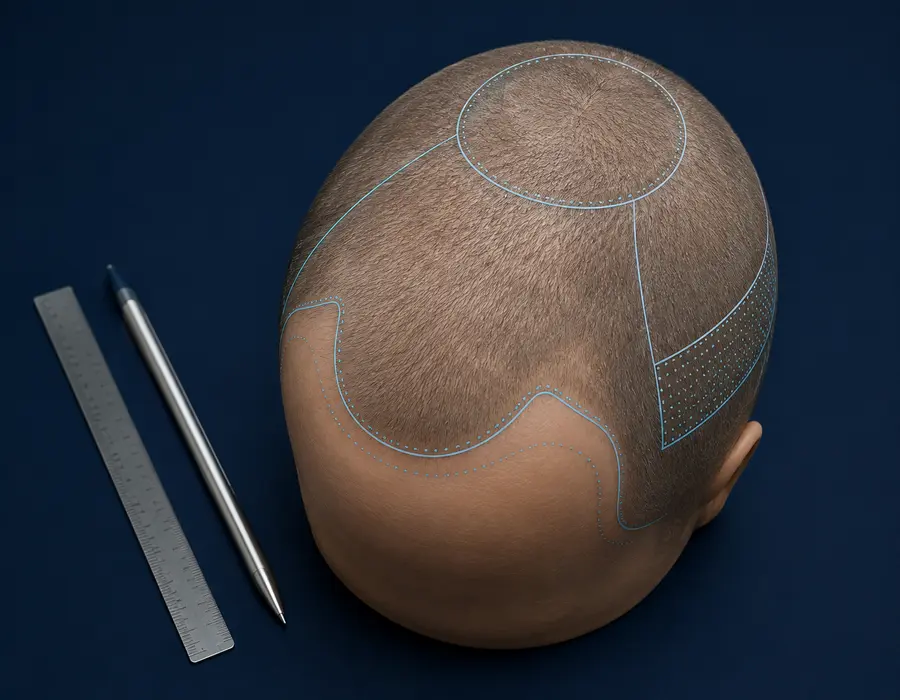
What Matters in Hair Transplantation
Hair transplantation shou

Medical Assessment & Candidacy
Suitability for hair tran

Positioning During Prolonged Procedures
Hair transplantation may

The Role of the Nurse in Telehealth-Based Hair Transplant Follow-Up
Nurse-led telehealth foll

Master’s Thesis Research: Wound Healing and Infection Prevention in Hair Transplantation
This page introduces a pu

Assessing Donor Capacity
Donor capacity cannot be

Balanced Extraction & Homogeneous Distribution
Donor preservation depend
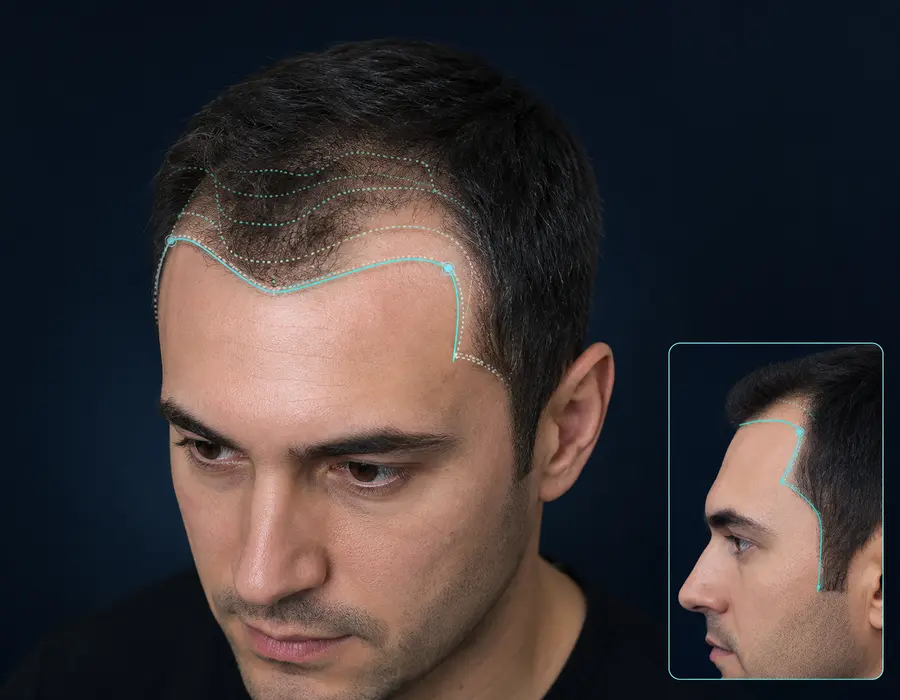
Hairline Shape & Temporal Design
Hairline shape should con

Suitability, Donor Capacity and Staged Planning
Suitability for hair tran

Non-Pharmacological Comfort Support
Comfort during a prolonge

Burn Alopecia: Nursing Care and Psychosocial Support
Burn-related alopecia may
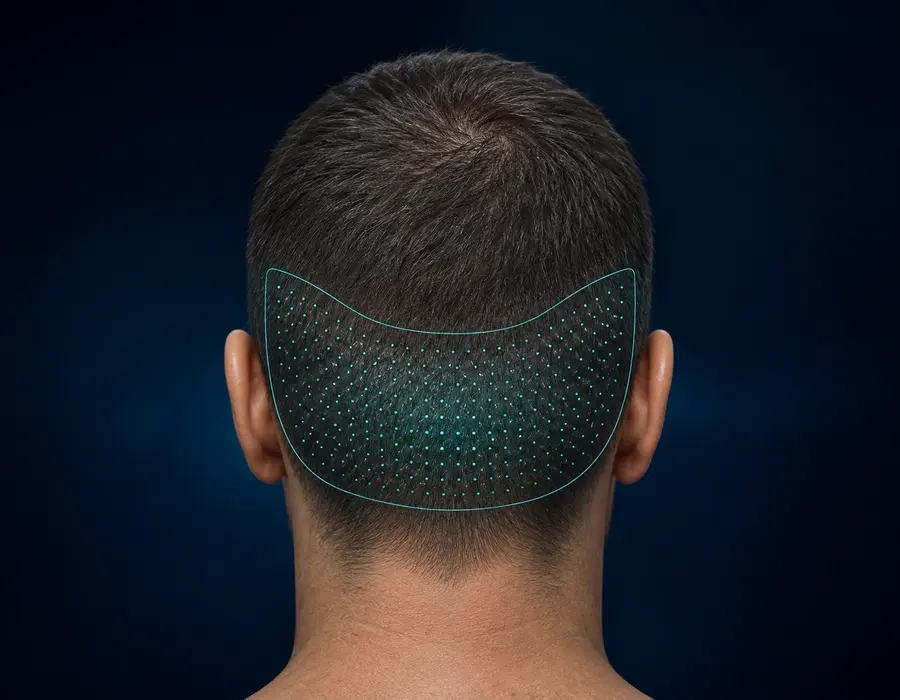
Donor Area Preservation
The donor area is a limit

Understanding FUE and DHI
FUE describes how follicu

Individualized Planning & Natural Hairline Design
Hairline design should be

Graft Numbers, Density & Distribution
A graft count alone does

Natural Irregularity & the Transition Zone
A natural-looking hairlin

Healing, Follow-Up and Realistic Expectations
Healing in scarred scalp
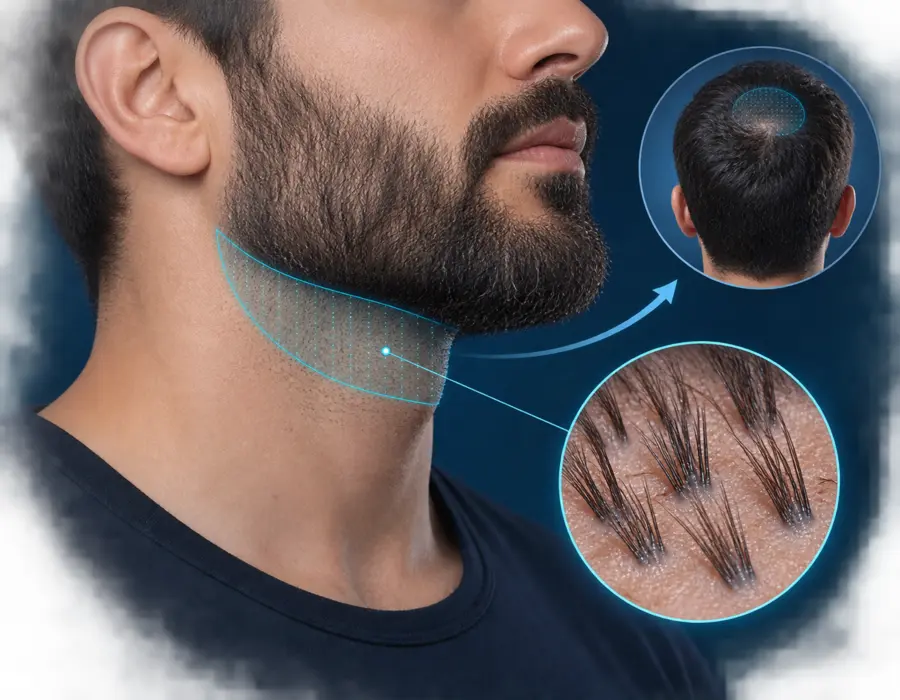
When Beard Donor May Be Considered
Beard hair may be conside

Complications, Patient Safety and Forensic Evaluation
Patient safety in hair tr

Direction, Angle & Density Transitions
Hair does not emerge from
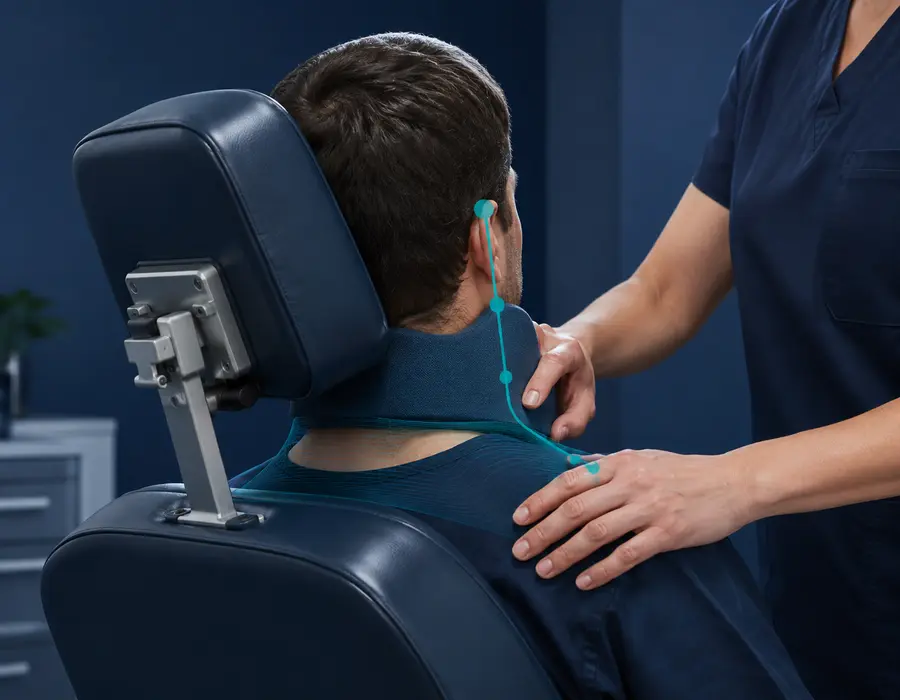
Patient Comfort & Physiotherapy Support
Hair transplantation may

Who Performs Each Stage?
Hair transplantation invo
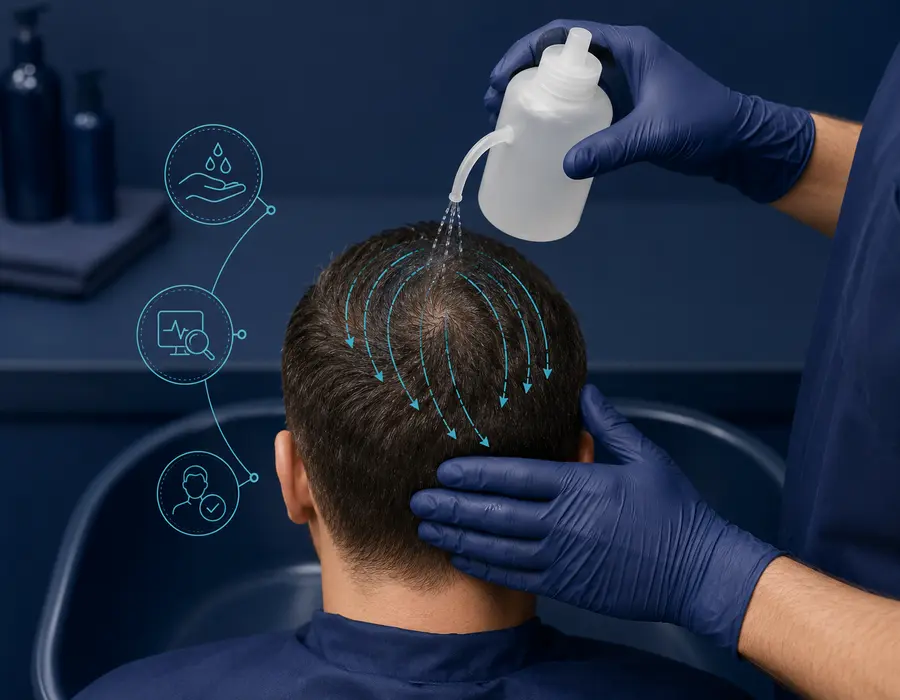
Aftercare & Structured Follow-Up
The period after hair tra

Planning for Women & Different Hair-Loss Patterns
Hair loss in women may pr

Risks, Limitations & Realistic Expectations
Hair transplantation is a
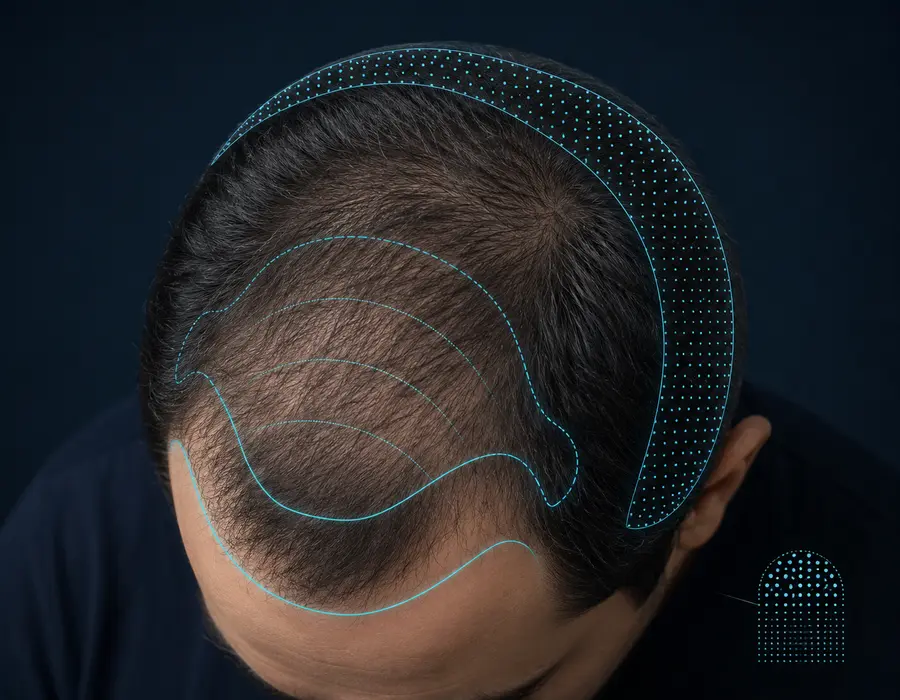
Long-Term Planning & Future Hair Loss
Pattern hair loss may con

Academic Research & Clinical Insights
Easesthetic’s academic fo
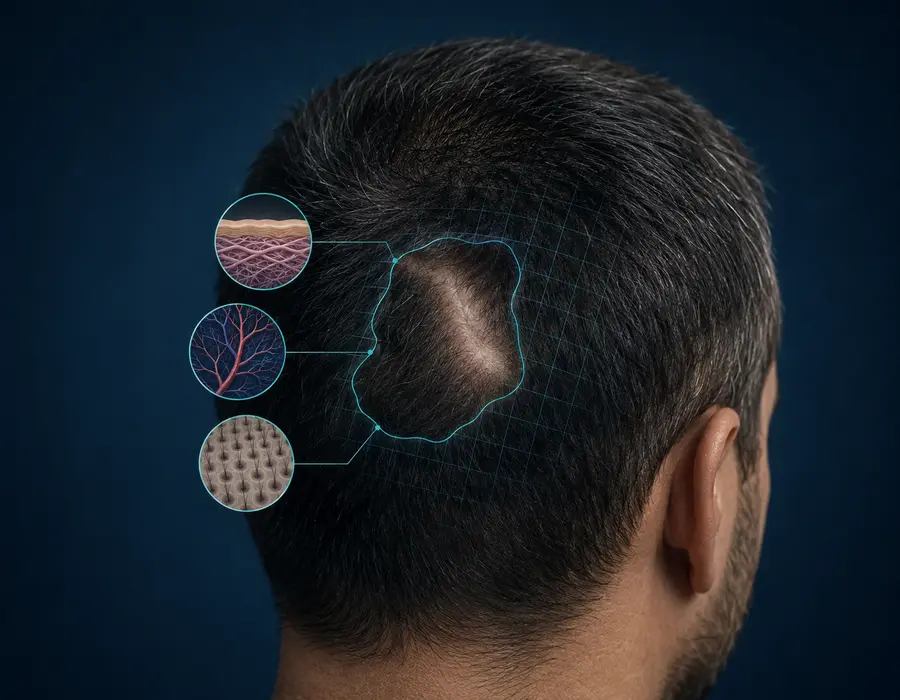
Hair Transplantation in Scarred Tissue
Hair transplantation in s
Frequently Asked Questions