

 Çerez Tercihleri
Tarama deneyiminizi geliştirmek, kişiselleştirilmiş içerik sunmak ve trafiğimizi analiz etmek için çerezler kullanıyoruz. Lütfen aşağıdan tercihlerinizi seçin.
Risks, Limitations & Realistic Expectations
- Hair Transplantation Is More Than a Graft Number
- Understanding Hair Transplantation
- Risks, Limitations & Realistic Expectations
Risks, Limitations & Realistic Expectations
Understanding the Procedure Before Deciding
Hair transplantation redistributes selected follicular units from a donor area to planned recipient areas. It does not create an unlimited supply of new hair, stop every form of hair loss or guarantee a particular density or appearance.
The suitability, extent and limitations of a procedure vary between individuals. A responsible discussion should include not only the proposed technique and graft estimate, but also the possible risks, biological constraints, recovery process and alternative options.
Hair Transplantation Is Surgery
Techniques described as minimally invasive still involve anaesthesia, donor harvesting, recipient-site preparation and the placement of follicular units into the scalp.
As with any surgical procedure, hair transplantation may involve risks. Their likelihood and significance depend on the individual’s health, scalp characteristics, procedure plan, professional practice, clinical conditions and postoperative care.
No website, device name or standard package can determine an individual risk profile without an appropriate medical assessment.
Expected Early Changes
Temporary changes may occur during the early recovery period. Depending on the procedure and the individual, these may include:
Redness
Swelling
Crusting
Tenderness or discomfort
Itching
Temporary changes in scalp sensation
Short-term shedding of transplanted or existing hair
Expected recovery findings should be explained before the procedure. Patients should also receive clear instructions about which changes require professional assessment rather than routine observation.
Possible Complications
Potential complications may include:
Bleeding
Infection
Adverse reactions to medications or anaesthesia
Delayed healing
Folliculitis or other inflammatory changes
Prolonged or altered scalp sensation
Visible scarring
Temporary or persistent shock loss
Uneven or reduced graft growth
Unnatural direction, spacing or hairline appearance
Excessive or irregular donor-area thinning
Tissue injury
This list is not exhaustive, and the presence of a possible complication does not mean that it will occur. Individual risks should be discussed with an appropriately licensed healthcare professional before consent.
The Donor Area Is Limited
The donor area contains a finite number of follicular units suitable for redistribution. Follicles removed from this area do not regenerate in their original positions.
This creates an important biological limitation. Attempting to obtain the largest possible number of grafts without considering what remains may cause visible thinning, irregular extraction patterns, scarring and reduced options for future procedures.
A proposed plan should therefore consider:
Donor density
Hair calibre and follicular-unit composition
The dimensions of the safe donor region
Previous harvesting
Preferred future hairstyles
Expected progression of hair loss
Possible future treatment needs
A higher graft count is not automatically a safer or more appropriate plan.
Existing Hair Loss May Continue
Transplanted follicles and existing non-transplanted hair do not necessarily follow the same course. Hair loss may continue in areas surrounding the transplanted region.
A design that appears appropriate at one point in time may become visually unbalanced if future loss is not considered. Age, family history, the pattern and rate of progression, existing miniaturization and medical management may all influence long-term planning.
Hair transplantation should therefore be viewed as part of an ongoing hair-loss strategy rather than an isolated event.
Density Has Biological and Practical Limits
The appearance of density depends on more than the number of grafts placed. It may also be influenced by:
Hair shaft thickness
Hair colour and skin contrast
Curl or wave
The number of hairs within each follicular unit
Existing hair
Recipient-area size
Placement angle and direction
Graft growth and individual healing
The density of naturally unaffected hair cannot always be reproduced across a large recipient area. When donor supply is limited, visual priorities may need to be established among the frontal region, mid-scalp and crown.
Growth Cannot Be Guaranteed
Graft growth is influenced by multiple biological and procedural factors. Even when a procedure is carefully planned, the exact proportion, timing, texture and direction of growth cannot be guaranteed for an individual.
Early appearance is not the final appearance. Transplanted hairs commonly pass through shedding and regrowth phases, and different areas may develop at different rates.
Any statement promising a fixed growth percentage, guaranteed density or identical result for every patient should be approached cautiously.
Photographs Have Limitations
Before-and-after images do not provide a complete prediction of what another person may experience.
Their appearance can be affected by:
Lighting
Camera angle
Hair length
Styling
Wet or dry hair
Image selection or editing
Time elapsed after the procedure
Differences in hair and scalp characteristics
Photographs may illustrate an individual case, but they cannot establish personal suitability or guarantee a comparable outcome.
Individual Health Factors Matter
Risk assessment may be influenced by medical conditions, medications, supplements, allergies, smoking, alcohol use, previous operations, scalp disorders and healing history.
Providing complete and accurate health information is important. A medication or supplement should not be stopped, started or changed solely on the basis of general website information. Individual instructions should come from the healthcare professional responsible for the patient’s care.
In some circumstances, further assessment, treatment of an existing condition, postponement or a decision not to proceed may be more appropriate than surgery.
Recovery Requires Participation
Post-procedure care is part of the overall process. Patients may need to follow individualized instructions concerning washing, positioning, medication use, physical activity, sun exposure and follow-up.
Recovery guidance should explain:
What changes are expected
How the scalp and donor area should be cared for
Which activities should temporarily be modified
How prescribed medication should be used
Which findings require medical attention
Who should be contacted if a concern develops
When follow-up should occur
General instructions cannot replace an individual clinical assessment when unexpected symptoms or concerns arise.
Realistic Expectations
A realistic plan acknowledges both the potential benefits and the limits of the procedure.
Hair transplantation may redistribute available hair and alter the visual framing or coverage of selected areas. It cannot guarantee the density of unaffected hair, prevent all future hair loss, eliminate every scar or reproduce another person’s appearance.
Expectations should be based on the individual’s donor supply, hair characteristics, recipient area, health status and long-term pattern of loss.
Questions Worth Asking
Before making a decision, patients may wish to ask:
What are the risks that are particularly relevant to me?
What temporary changes should I expect during recovery?
Which findings would require medical assessment?
What are the limits of my donor area?
How might future hair loss affect the proposed design?
What level of coverage may be realistic?
Are any outcomes being presented as guaranteed?
Who will monitor me during and after the procedure?
How are unexpected events managed?
What alternatives are available if surgery is not appropriate?
What follow-up will be provided?
Clear answers should help the patient understand both the proposed benefits and the uncertainties before providing consent.
Hair transplantation is a surgical procedure. Medical suitability, individual risks, procedural limits and recovery instructions should be determined through an assessment by appropriately licensed healthcare professionals.
References
International Society of Hair Restoration Surgery. Hair Restoration Surgery Risk Factors.
International Society of Hair Restoration Surgery. Consumer Advocacy: Seeking Hair Restoration Surgery?
International Society of Hair Restoration Surgery. Consumer Alert: Potential Risks When Unlicensed Personnel Perform Hair Restoration Surgery.
External sources are provided for general educational reference. No affiliation or endorsement is implied.
Diğer Hizmetler

Understanding Scarred Scalp Tissue
Scarred scalp tissue may

Facial Proportions & Hairline Position
Hairline position should
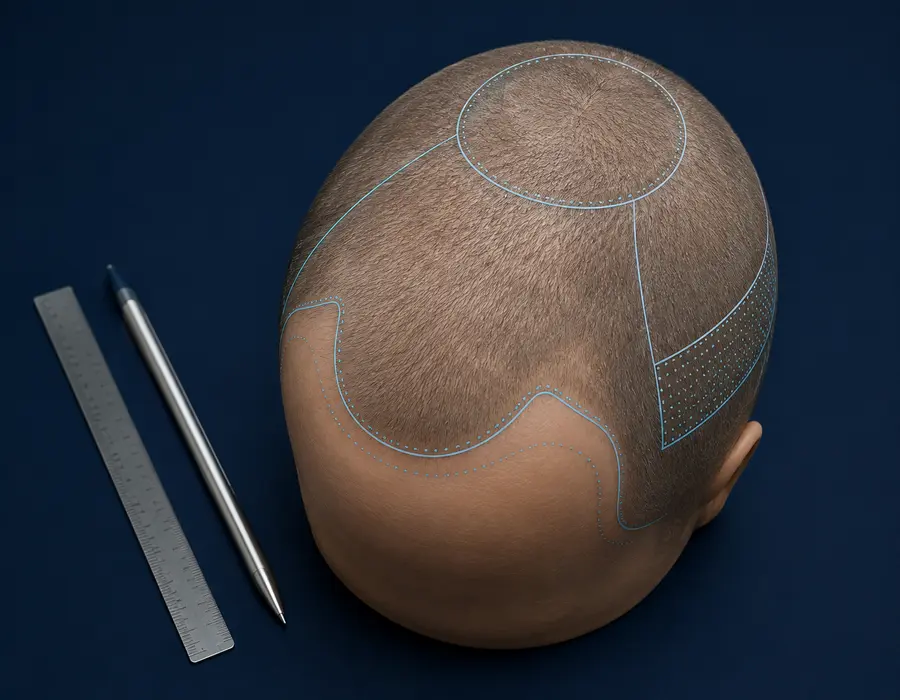
What Matters in Hair Transplantation
Hair transplantation shou

Medical Assessment & Candidacy
Suitability for hair tran

Positioning During Prolonged Procedures
Hair transplantation may

The Role of the Nurse in Telehealth-Based Hair Transplant Follow-Up
Nurse-led telehealth foll

Master’s Thesis Research: Wound Healing and Infection Prevention in Hair Transplantation
This page introduces a pu

Assessing Donor Capacity
Donor capacity cannot be

Balanced Extraction & Homogeneous Distribution
Donor preservation depend
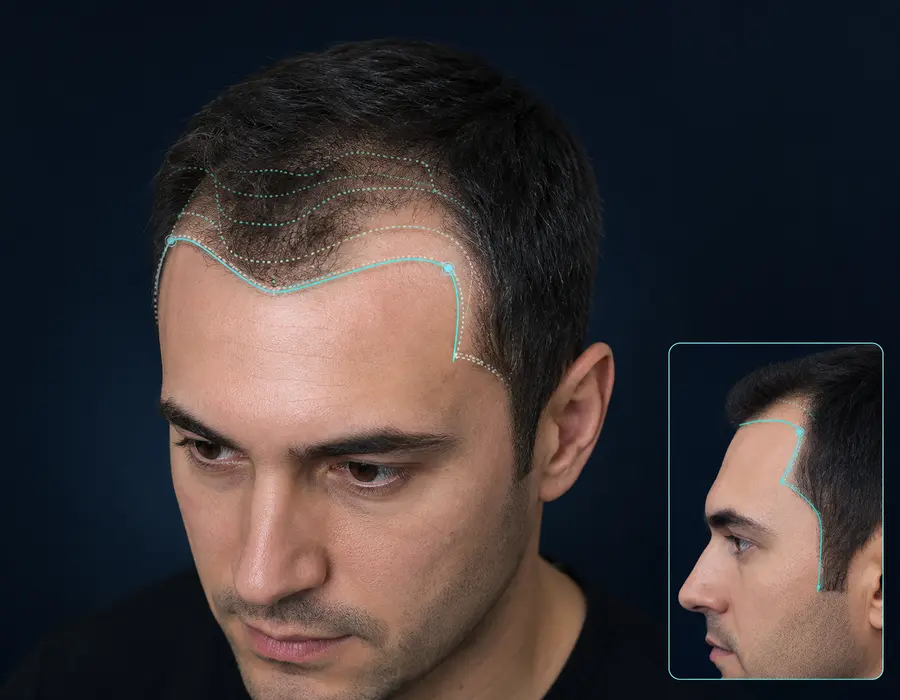
Hairline Shape & Temporal Design
Hairline shape should con

Suitability, Donor Capacity and Staged Planning
Suitability for hair tran

Non-Pharmacological Comfort Support
Comfort during a prolonge

Burn Alopecia: Nursing Care and Psychosocial Support
Burn-related alopecia may
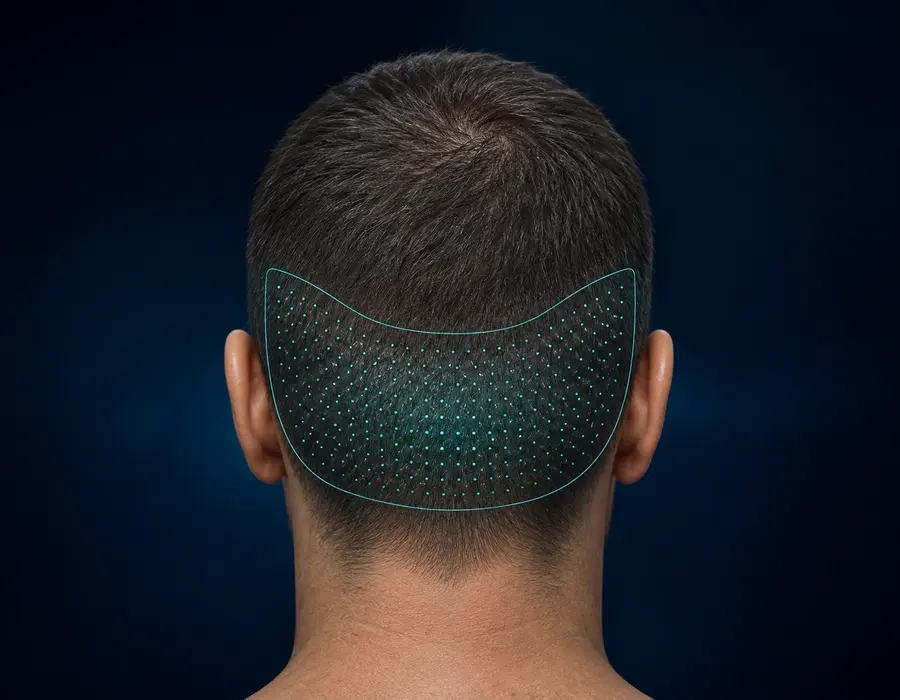
Donor Area Preservation
The donor area is a limit

Understanding FUE and DHI
FUE describes how follicu

Individualized Planning & Natural Hairline Design
Hairline design should be

Graft Numbers, Density & Distribution
A graft count alone does

Natural Irregularity & the Transition Zone
A natural-looking hairlin

Healing, Follow-Up and Realistic Expectations
Healing in scarred scalp
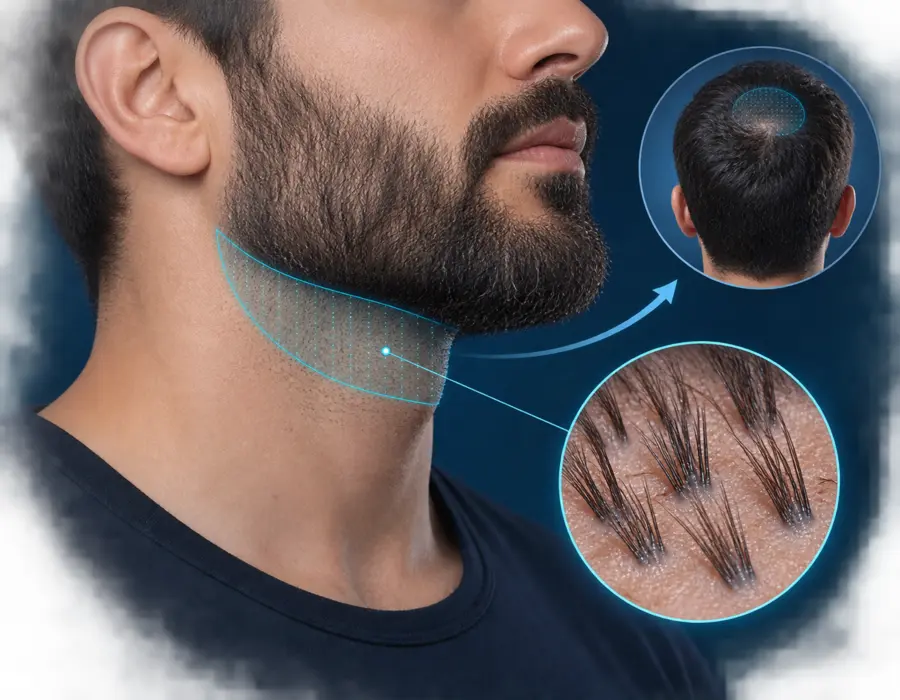
When Beard Donor May Be Considered
Beard hair may be conside

Complications, Patient Safety and Forensic Evaluation
Patient safety in hair tr

Direction, Angle & Density Transitions
Hair does not emerge from
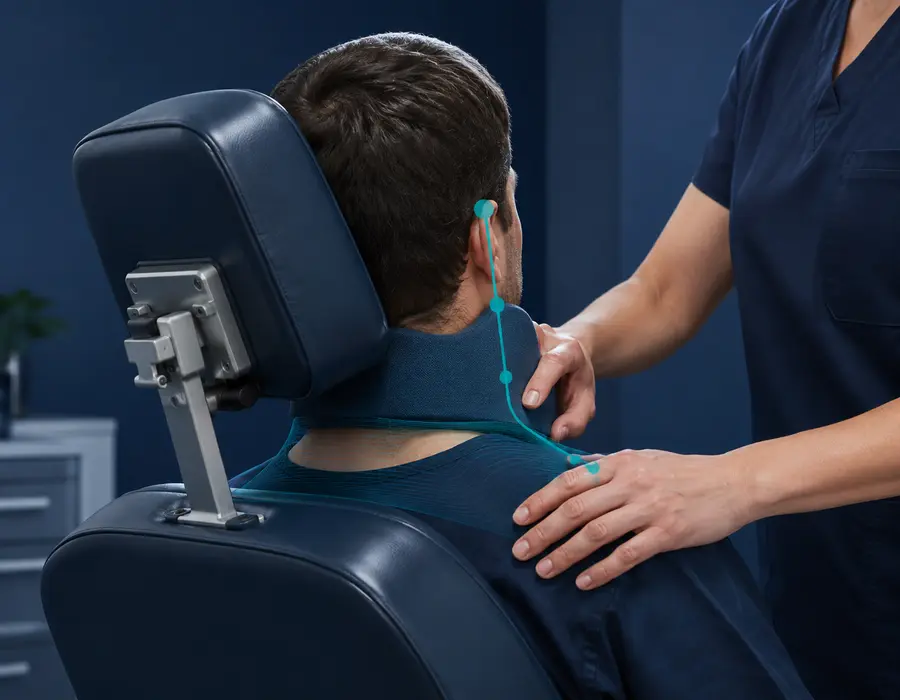
Patient Comfort & Physiotherapy Support
Hair transplantation may

Who Performs Each Stage?
Hair transplantation invo
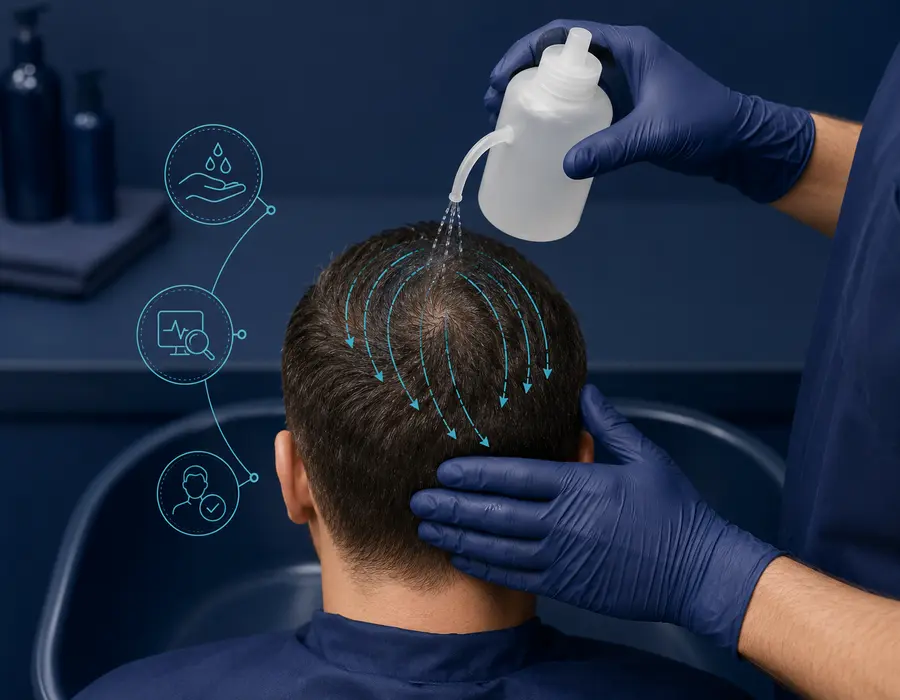
Aftercare & Structured Follow-Up
The period after hair tra

Planning for Women & Different Hair-Loss Patterns
Hair loss in women may pr

Risks, Limitations & Realistic Expectations
Hair transplantation is a
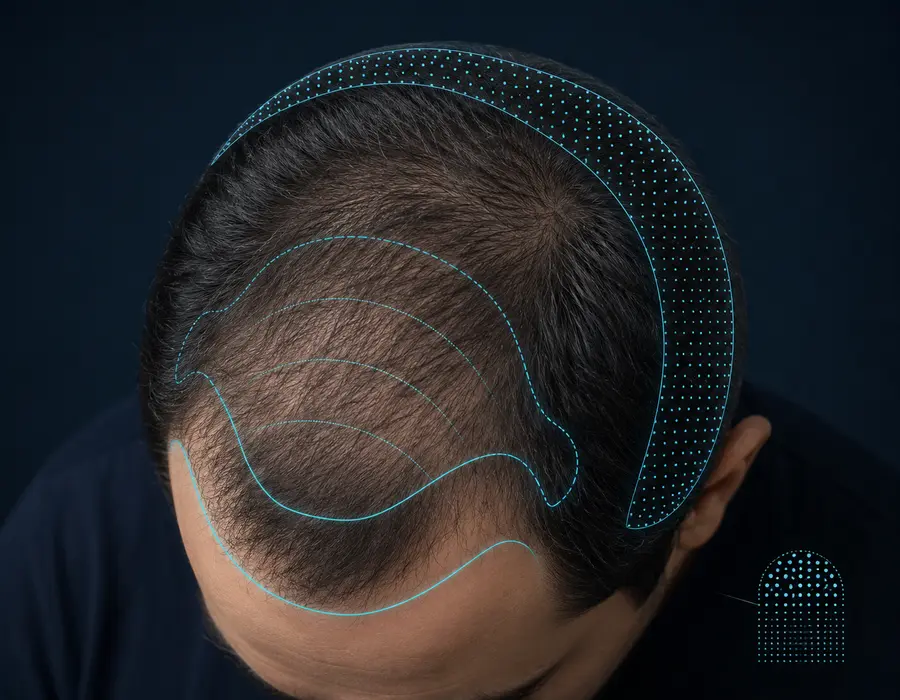
Long-Term Planning & Future Hair Loss
Pattern hair loss may con

Academic Research & Clinical Insights
Easesthetic’s academic fo
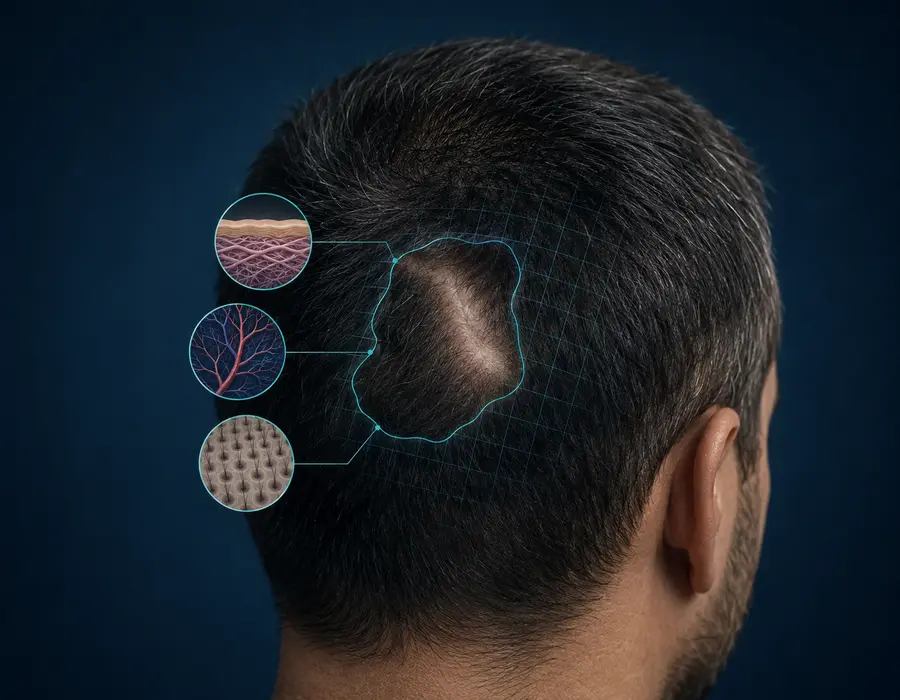
Hair Transplantation in Scarred Tissue
Hair transplantation in s
Frequently Asked Questions